
Cushion Cut Engagement Rings in Solid 9ct, 14ct & 18ct Gold
A cushion cut engagement ring is the softest shape you can choose. Square or gently rectangular with rounded corners — the reason it is named after a pillow — it descends directly from the old mine cuts of the 1800s, which is why it carries a warmth that modern precision shapes do not.
It is also the most practical fancy shape for daily wear. Those rounded corners have no sharp points to catch or chip, so a cushion tolerates real life better than a princess or a marquise. Every ring here is set in solid 9ct, 14ct or 18ct gold — never plated — from £1,400, using lab grown diamonds, made to order in 10 to 14 days.
-
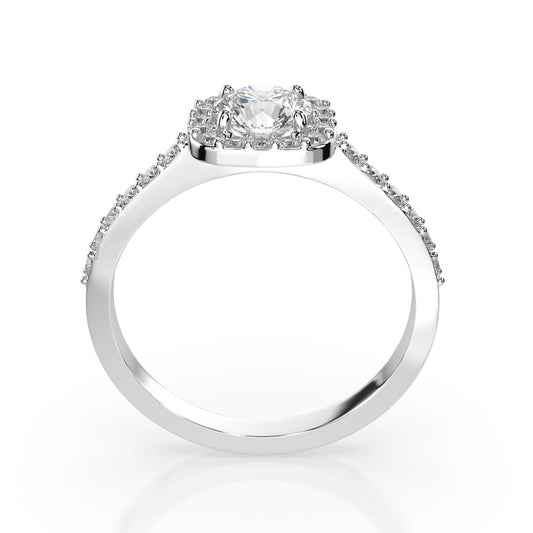
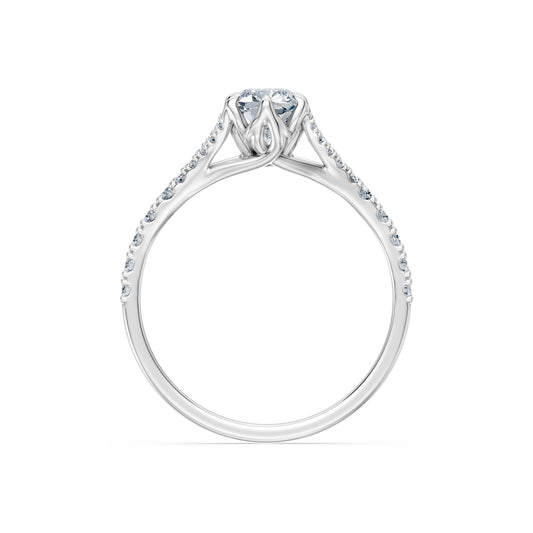
Cushion Halo Solitaire Eternity Diamond Ring Round 0.4ct | Qutahia Jewellery
Regular price From £950.00Regular price£1,200.00Sale price From £950.00Sale -
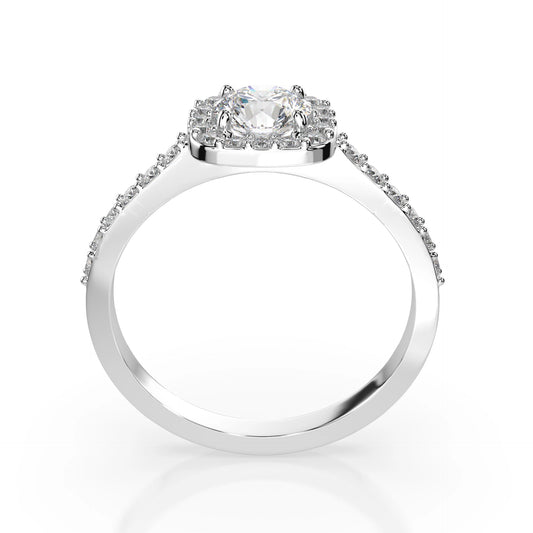
Cushion Halo Solitaire Eternity Diamond Ring Round 0.5ct | Qutahia Jewellery
Regular price From £1,100.00Regular price£1,250.00Sale price From £1,100.00Sale -
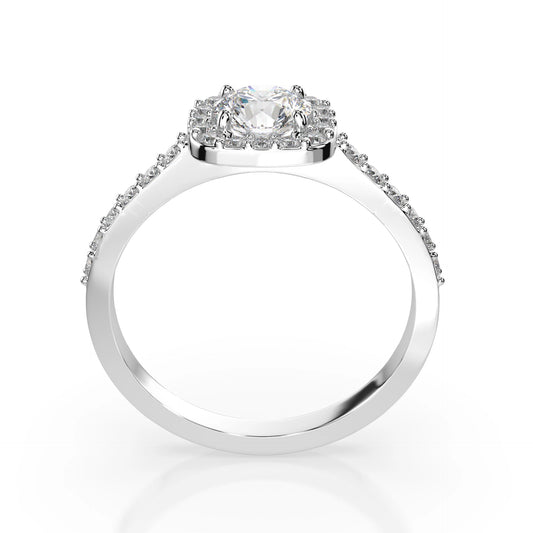
Cushion Halo Solitaire Eternity Diamond Ring Round 0.3ct | Qutahia Jewellery
Regular price From £900.00Regular price£1,100.00Sale price From £900.00Sale -
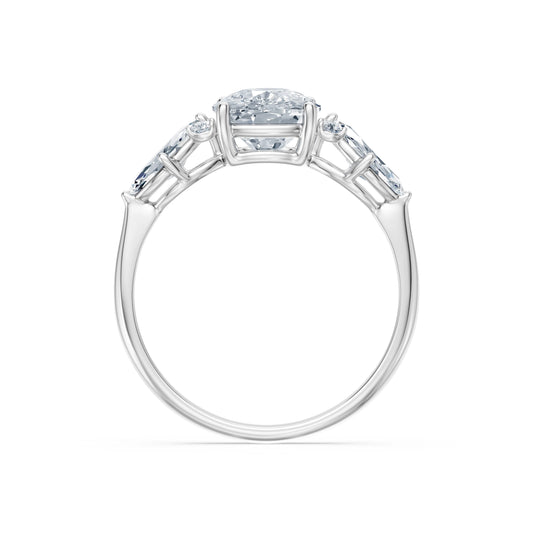
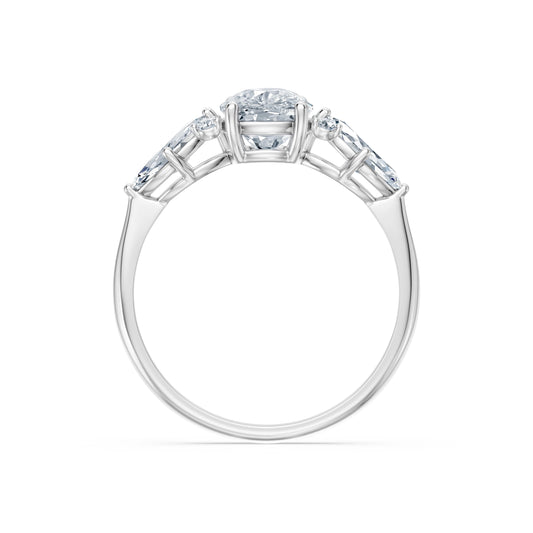
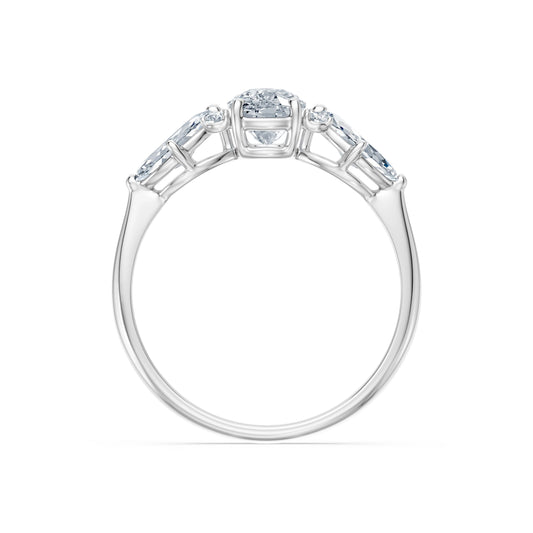
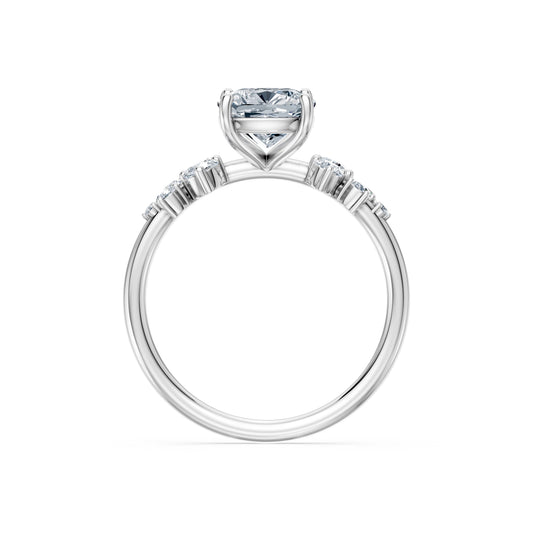
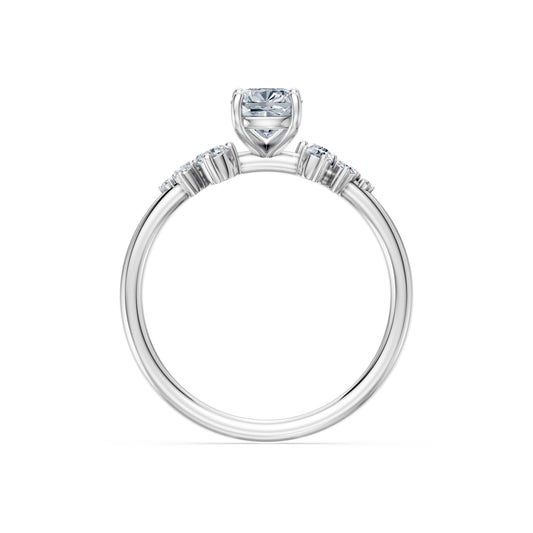
Cushion Lab Grown Diamond Three Stone Engagement Ring 2.0ct | Qutahia Jewellery
Regular price From £2,750.00Regular price£3,000.00Sale price From £2,750.00Sale -
Cushion Lab Grown Diamond Three Stone Engagement Ring 1.5ct | Qutahia Jewellery
Regular price From £2,250.00Regular price£2,500.00Sale price From £2,250.00Sale -
Cushion Lab Grown Diamond Three Stone Engagement Ring 1.0ct | Qutahia Jewellery
Regular price From £1,750.00Regular price£2,250.00Sale price From £1,750.00Sale -
Cushion Lab Grown Diamond Split Shank Engagement Ring 2.0ct | Qutahia Jewellery
Regular price From £2,400.00Regular price£2,600.00Sale price From £2,400.00Sale -
Cushion Lab Grown Diamond Split Shank Engagement Ring 1.5ct | Qutahia Jewellery
Regular price From £1,650.00Regular price£2,100.00Sale price From £1,650.00Sale -
Cushion Lab Grown Diamond Split Shank Engagement Ring 1.0ct | Qutahia Jewellery
Regular price From £1,400.00Regular price£1,750.00Sale price From £1,400.00Sale -
Cushion Lab Grown Diamond Cluster Engagement Ring 2.0ct | Qutahia Jewellery
Regular price From £2,250.00Regular price£2,500.00Sale price From £2,250.00Sale -
Cushion Lab Grown Diamond Cluster Engagement Ring 1.0ct | Qutahia Jewellery
Regular price From £1,300.00Regular price£1,700.00Sale price From £1,300.00Sale -
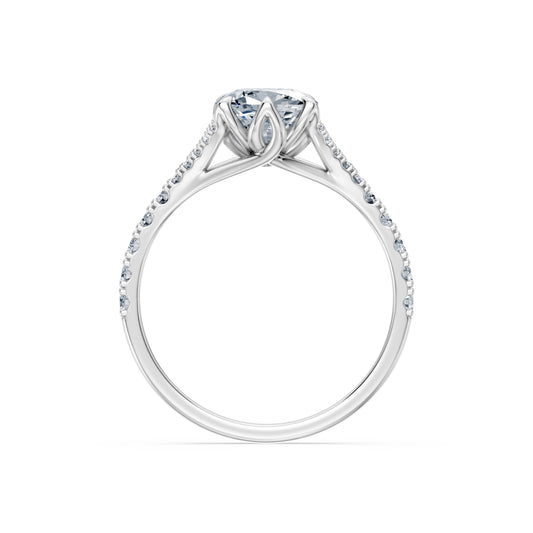
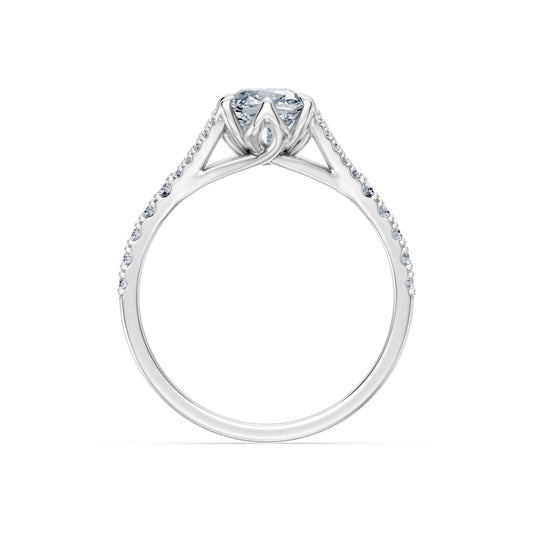
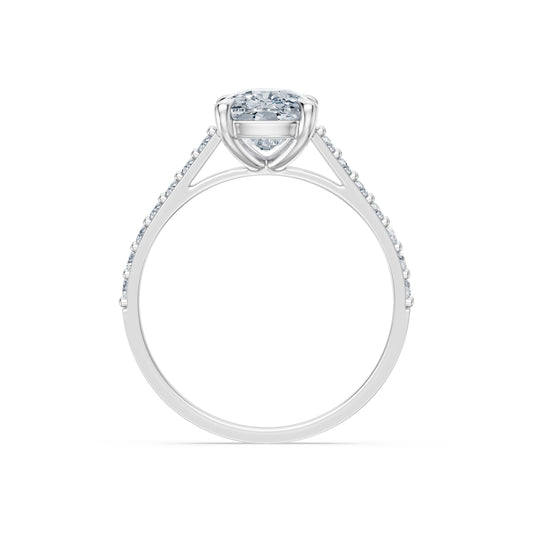
Cushion Lab Grown Diamond Pave Engagement Ring 2.0ct | Qutahia Jewellery
Regular price From £1,900.00Regular price£2,400.00Sale price From £1,900.00Sale -
Cushion Lab Grown Diamond Pave Engagement Ring 1.5ct | Qutahia Jewellery
Regular price From £1,500.00Regular price£1,900.00Sale price From £1,500.00Sale -
Cushion Lab Grown Diamond Pave Engagement Ring 1.0ct | Qutahia Jewellery
Regular price From £1,250.00Regular price£1,600.00Sale price From £1,250.00Sale -
Cushion Lab Grown Diamond Hidden Halo Engagement Ring 2.0ct | Qutahia Jewellery
Regular price From £1,900.00Regular price£2,400.00Sale price From £1,900.00Sale -
Cushion Lab Grown Diamond Hidden Halo Engagement Ring 1.5ct | Qutahia Jewellery
Regular price From £1,450.00Regular price£1,800.00Sale price From £1,450.00Sale -
Cushion Lab Grown Diamond Hidden Halo Engagement Ring 1.0ct | Qutahia Jewellery
Regular price From £1,200.00Regular price£1,500.00Sale price From £1,200.00Sale -
Cushion Lab Grown Diamond Solitaire Engagement Ring 2.0ct | Qutahia Jewellery
Regular price From £1,800.00Regular price£2,250.00Sale price From £1,800.00Sale -
Cushion Lab Grown Diamond Solitaire Engagement Ring 1.5ct | Qutahia Jewellery
Regular price From £1,400.00Regular price£1,750.00Sale price From £1,400.00Sale -
Cushion Lab Grown Diamond Solitaire Engagement Ring 1.0ct | Qutahia Jewellery
Regular price From £1,150.00Regular price£1,400.00Sale price From £1,150.00Sale













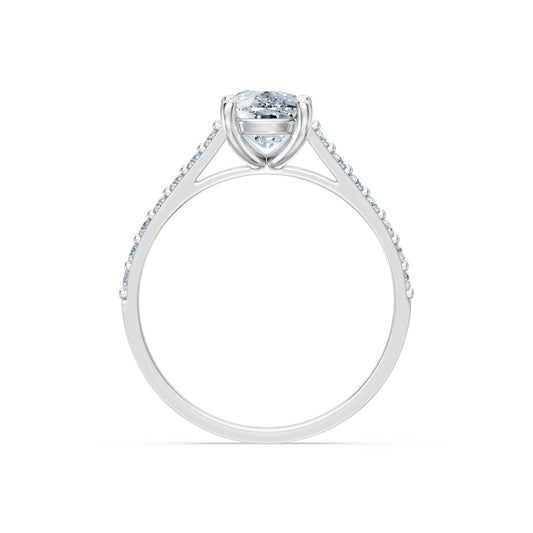

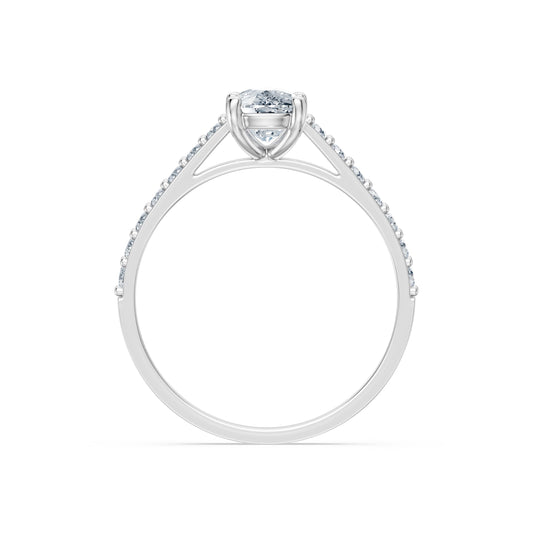

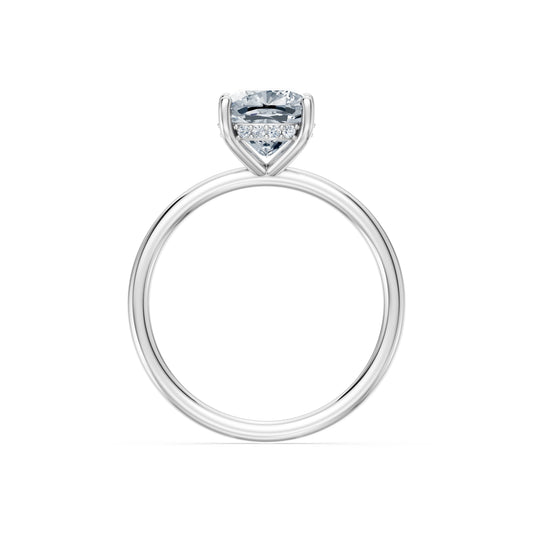

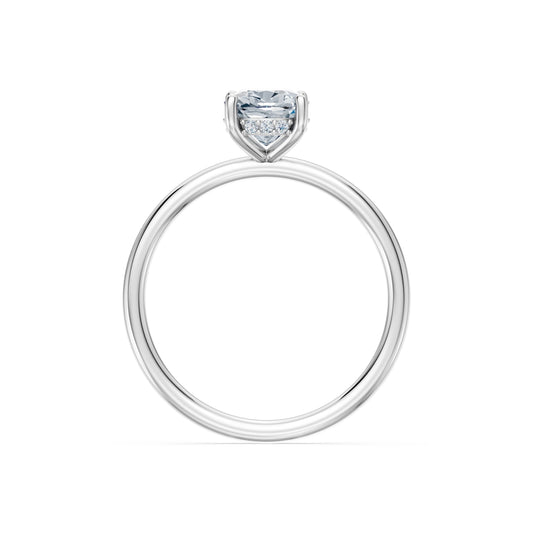

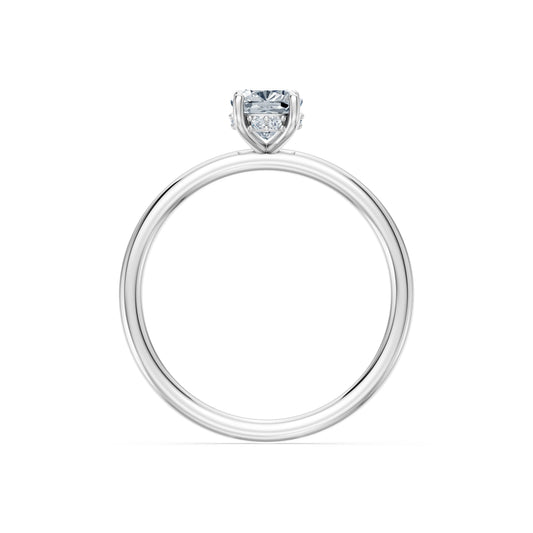

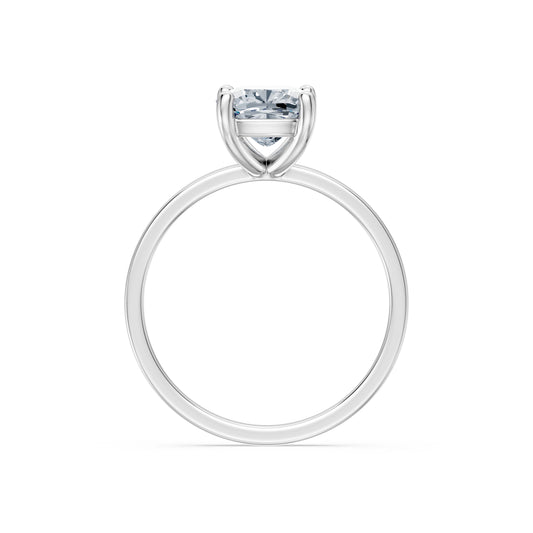

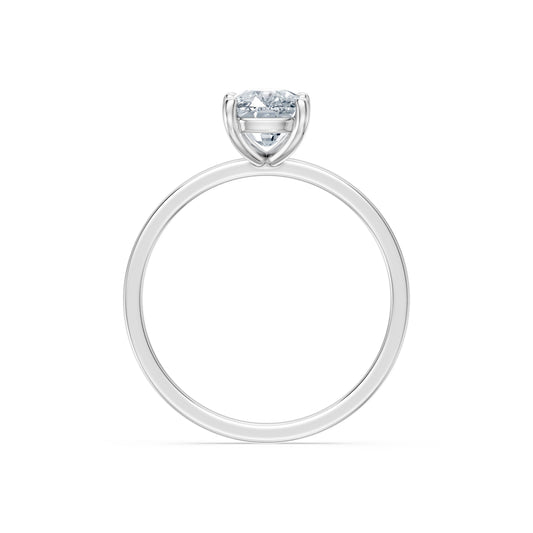

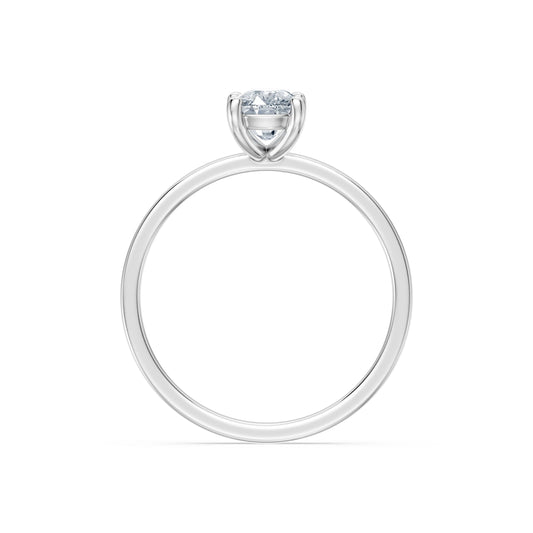
Crushed ice or chunky? The choice nobody explains
Two cushion cuts of identical carat, colour and clarity can look completely different, and almost no listing tells you which one you are buying. The difference is facet structure.
Crushed ice cushions have smaller, more numerous facets under the table. The effect is a shimmering, glittery scatter — lots of tiny points of light, like sunlight on water. It hides inclusions and body colour extremely well, which makes it forgiving on grade.
Chunky or antique-style cushions have fewer, larger facets that return light in broad defined flashes. Closer to how an old mine cut behaves. More character, more visible personality, and less tolerant of a poor stone.
Neither is better. But they photograph differently and they age differently on the hand, and it is worth knowing which you prefer before you commit. If you like the look of a cushion in photographs but find it disappointing in person, you were probably shown a crushed ice stone under shop lighting.
Cushion cuts hold colour — use it
A cushion's deeper pavilion and rounded outline concentrate body colour more than a round brilliant does. In practical terms, a cushion looks slightly warmer than its grade suggests.
That is a problem in white gold and an advantage in yellow. If you are setting a cushion in white metal, go a grade higher on colour than you otherwise would. If you are setting it in yellow or rose gold, warmth reads as intentional and you can drop a grade or two and spend the difference on size instead.
The GIA's guide to the 4Cs explains the colour scale itself; what it does not cover is how differently each shape carries that colour. For cushions, the metal you choose matters as much as the grade you pay for.
Square or elongated?
Cushions come in two proportions, and they read as almost different shapes:
- 1.00 to 1.05 — square cushion. Compact, symmetrical, closest to the antique original.
- 1.10 to 1.30 — elongated cushion. Lengthens the finger and reads larger for the weight. This is the version currently outselling every other cushion proportion.
The elongated cushion is often compared with an oval, and the two do overlap. The difference is the corners: an oval is a continuous curve, while an elongated cushion has four soft corners that give it more structure. If an oval feels slightly too plain to you, this is usually the shape you actually want.
The most durable fancy shape
Diamond is hard but not indestructible, and every shape with a sharp point or corner has a weak spot — the princess at its four corners, the marquise and pear at their tips.
A cushion has none. The rounded corners distribute impact rather than concentrating it, so there is no thin edge waiting to catch on a door handle. It needs no protective V-prongs, no special basket, and no particular care beyond the usual. If the ring is going to be worn every day, through work and washing up and everything else, this is the shape that will forgive it.
Choosing the setting
- Solitaire — lets the soft outline speak. Timeless and the easiest to pair with a band.
- Hidden halo — particularly effective on a cushion, because the extra lift stops the deeper pavilion looking heavy.
- Three stone — the rounded sides sit comfortably beside tapered or trapezoid side stones.
- Pavé — sparkle along the shoulders, which suits a crushed ice centre especially well.
A straight wedding band sits well against a square cushion. An elongated one may leave a small gap at the ends, in which case a slightly contoured band solves it.
What a cushion cut engagement ring costs
This collection runs from £1,400 to £3,900. All seventeen designs use lab grown diamonds — chemically and optically diamond, distinguishable only with specialist equipment — which is why a two-carat cushion sits at these figures rather than several times higher.
Weight drives the price far more than anything else. Gold carat barely moves it: 9ct is harder and resists scratching, 18ct is warmer and softer, and 14ct is where most people land for an everyday ring. If you want a natural stone instead, tell us and we will quote it.
Common questions
Cushion or oval — which should I choose?
An oval is a smooth continuous curve and reads slightly longer and cleaner. An elongated cushion has soft corners and more structure, and its crushed ice faceting hides inclusions better. Ovals also carry a bow tie; cushions do not. If you want the elongated look with fewer things to check, choose the cushion.
Do cushion cuts sparkle as much as round brilliants?
Not in the same way. A round returns more light overall and does it in bright defined points. A cushion gives a softer, more diffuse glitter — less dazzling, warmer, and to many eyes more interesting. It is a difference in character rather than quality.
What clarity do I need for a cushion cut?
Less than you would think. The busy faceting hides inclusions well, so SI1 is usually safe, especially in a crushed ice stone. Spend the saving on carat or on a better colour grade if you are setting in white gold.
Can I choose crushed ice or chunky faceting?
Yes. Tell us which you prefer and we will source accordingly — it is one of the specifications most retailers will not let you set. Everything here is made to order in our own workshop, so stone, ratio, faceting style, gold carat and setting are all specifiable. If what you want is not shown, commission it.
Frequently asked questions
What does a cushion cut diamond look like?
A square or rectangular shape with softly rounded corners, like a pillow — it has a vintage character that a sharp-cornered princess cut doesn't.
Does a cushion cut sparkle more than a princess cut?
Cushion cuts tend to show more fire (coloured flashes of light) at the same carat weight, while princess cuts show more brilliance (white light) — it's a difference in character rather than one being objectively better.
Is a cushion cut diamond more affordable than round?
Generally yes, per carat, since less rough diamond is wasted in cutting a cushion shape compared with a round brilliant.
What settings suit a cushion cut best?
Halo settings are especially popular with cushion cuts, since the rounded corners of the halo echo the stone's soft outline.