
Lab Grown Diamond Engagement Rings in Solid 9ct, 14ct & 18ct Gold
A lab grown diamond is a diamond. Same carbon structure, same hardness, same refractive index, same sparkle — a jeweller cannot tell the difference by eye. What changes is the price: roughly a third of a mined stone of equal specification, which in practice means a two carat centre for the budget of a natural three-quarter carat.
Every lab grown diamond engagement ring here is set in solid 9ct, 14ct or 18ct gold — never plated — in yellow, white or rose. Centre stones from 1 to 2 carat in oval, cushion, emerald and marquise cuts, set as solitaires, hidden halos, three stone, cluster, pavé and split shank designs. From around £1,100 for a 1 carat stone in 9ct gold, made to order in 10 to 14 days.
-
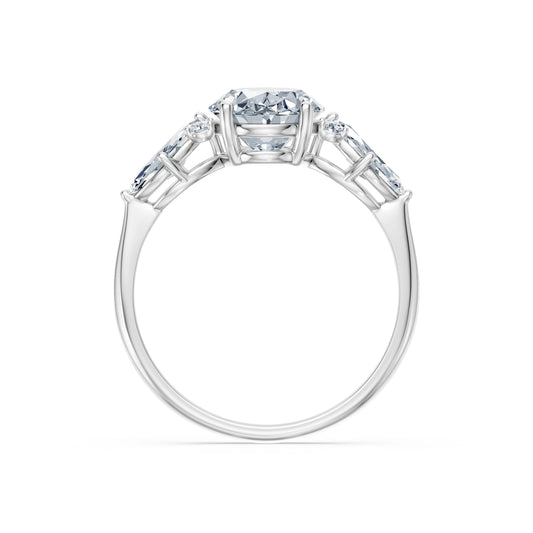
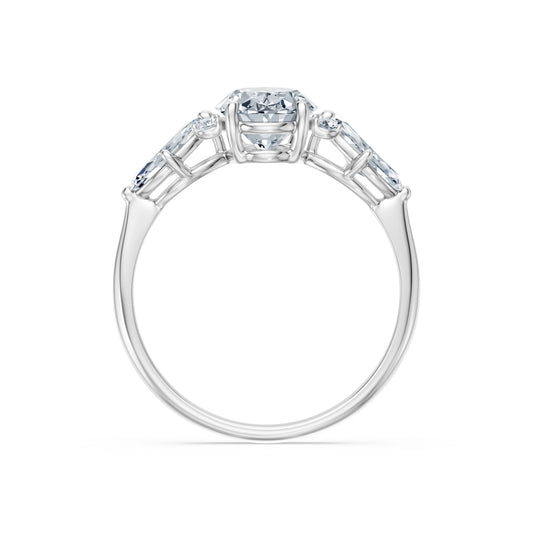
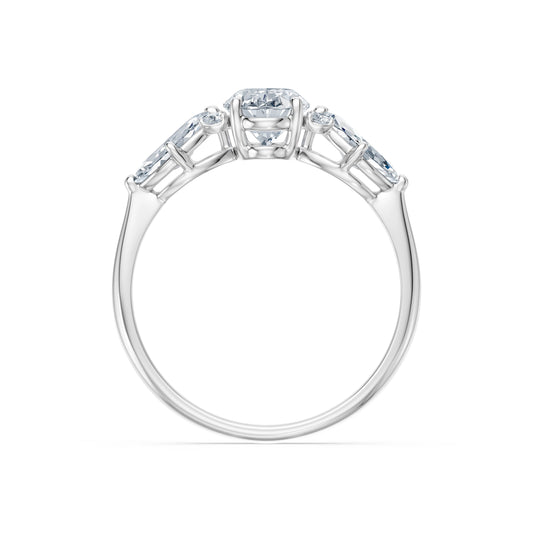
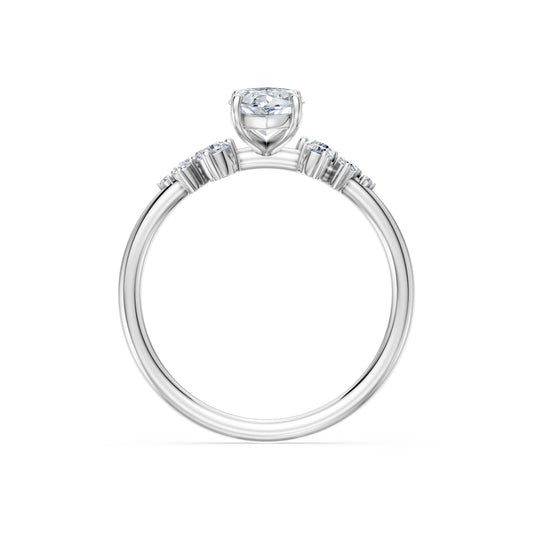
Oval Lab Grown Diamond Three Stone Engagement Ring 2.0ct | Qutahia Jewellery
Regular price From £2,750.00Regular price£3,000.00Sale price From £2,750.00Sale -
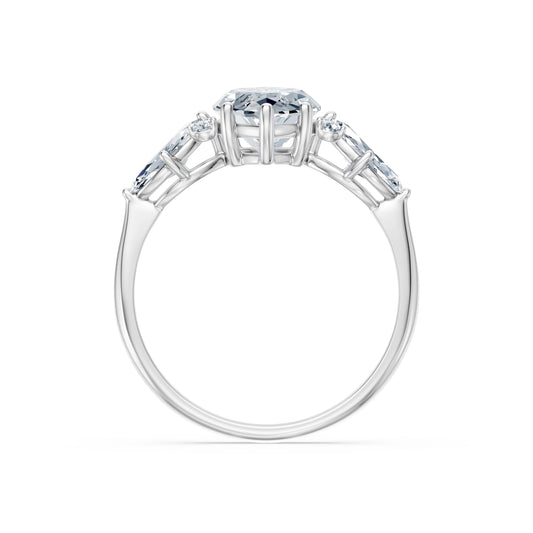
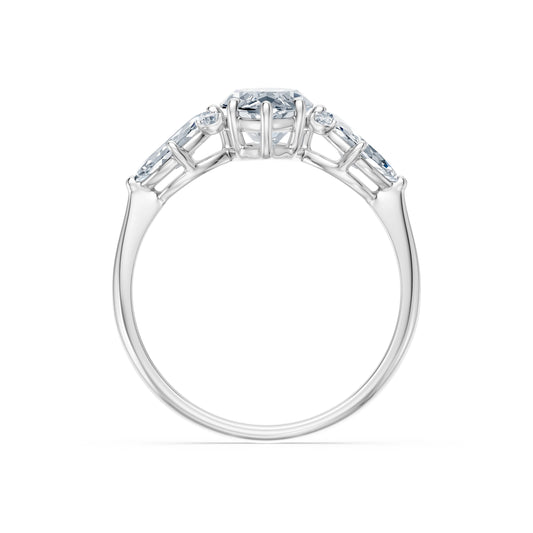
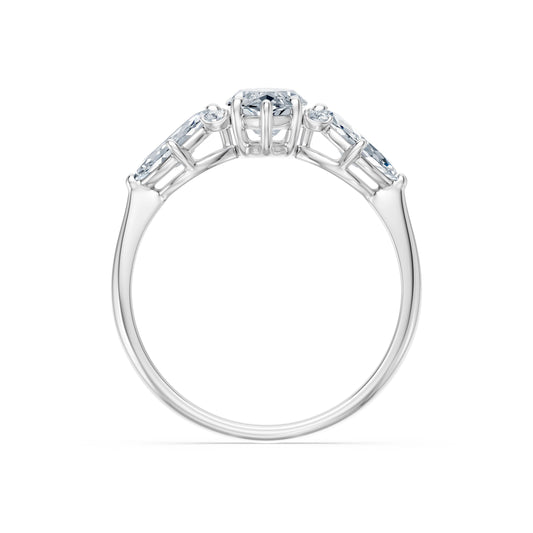
Marquise Lab Grown Diamond Three Stone Engagement Ring 2.0ct | Qutahia Jewellery
Regular price From £3,100.00Regular price£3,500.00Sale price From £3,100.00Sale -
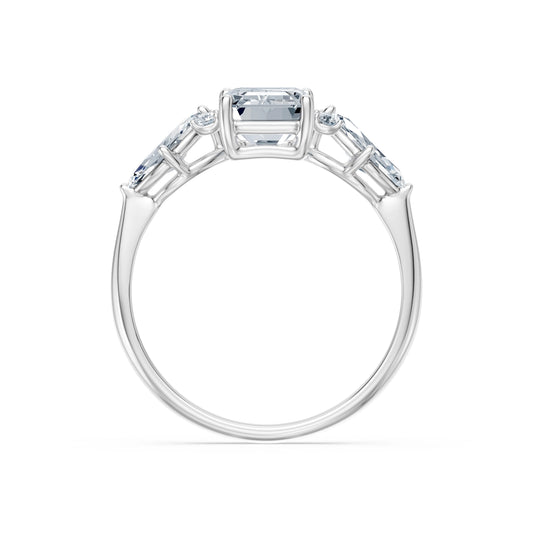
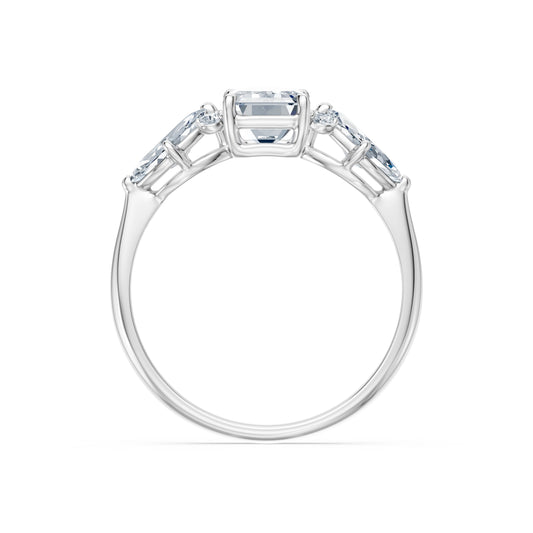
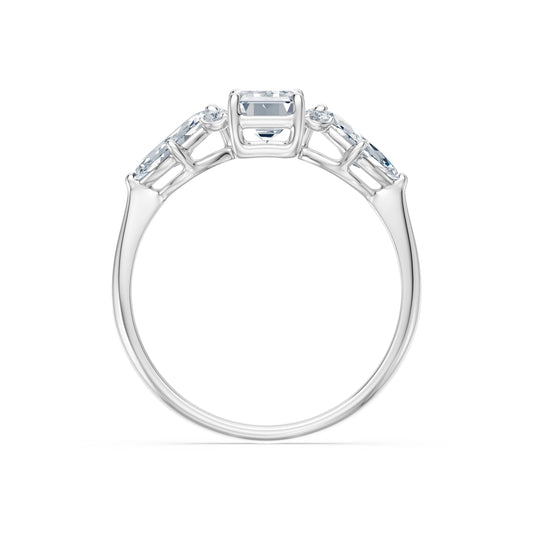
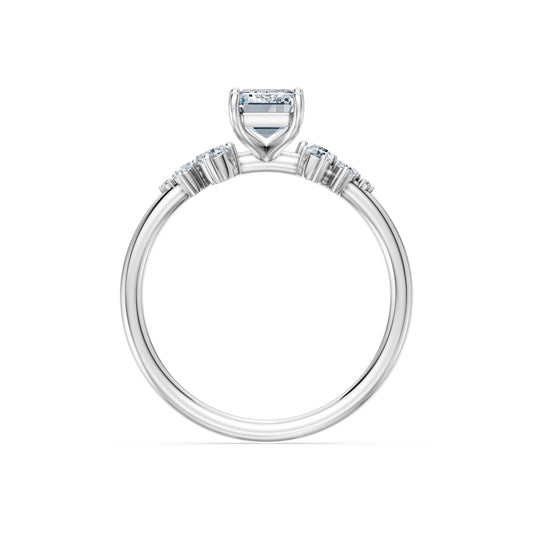
Emerald Lab Grown Diamond Three Stone Engagement Ring 2.0ct | Qutahia Jewellery
Regular price From £2,750.00Regular price£3,000.00Sale price From £2,750.00Sale -
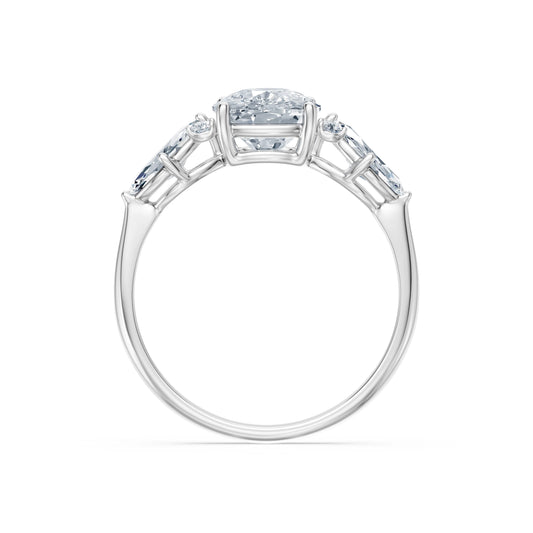
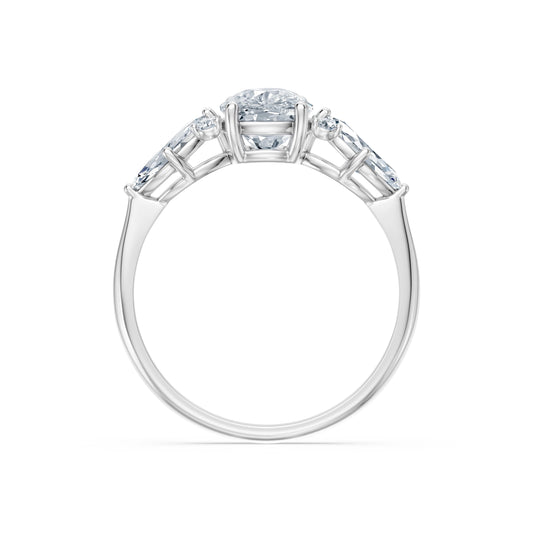
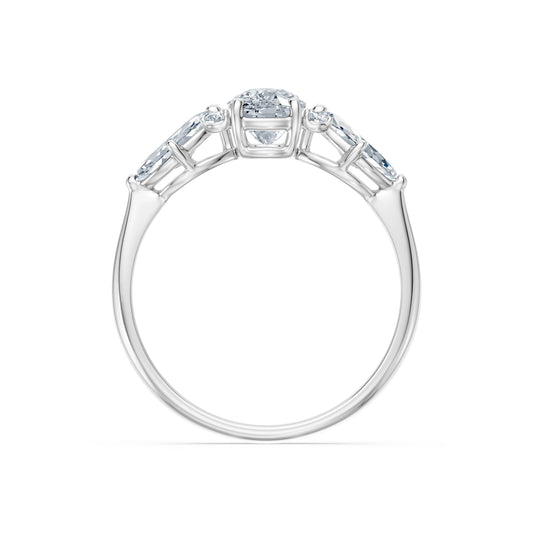
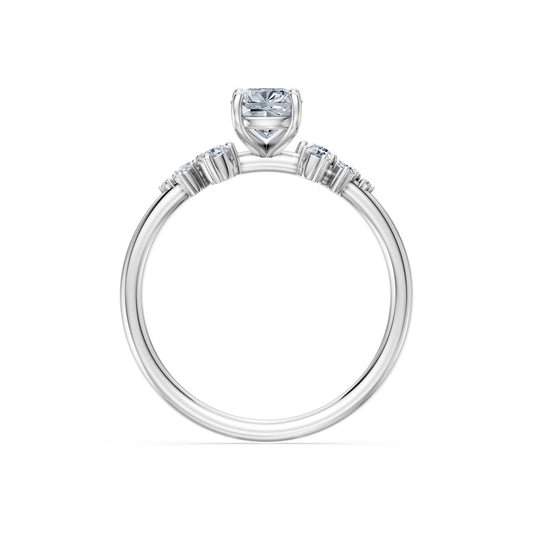
Cushion Lab Grown Diamond Three Stone Engagement Ring 2.0ct | Qutahia Jewellery
Regular price From £2,750.00Regular price£3,000.00Sale price From £2,750.00Sale -
Oval Lab Grown Diamond Three Stone Engagement Ring 1.5ct | Qutahia Jewellery
Regular price From £2,250.00Regular price£2,500.00Sale price From £2,250.00Sale -
Marquise Lab Grown Diamond Three Stone Engagement Ring 1.5ct | Qutahia Jewellery
Regular price From £2,500.00Regular price£2,750.00Sale price From £2,500.00Sale -
Emerald Lab Grown Diamond Three Stone Engagement Ring 1.5ct | Qutahia Jewellery
Regular price From £2,250.00Regular price£2,500.00Sale price From £2,250.00Sale -
Cushion Lab Grown Diamond Three Stone Engagement Ring 1.5ct | Qutahia Jewellery
Regular price From £2,250.00Regular price£2,500.00Sale price From £2,250.00Sale -
Oval Lab Grown Diamond Three Stone Engagement Ring 1.0ct | Qutahia Jewellery
Regular price From £1,750.00Regular price£2,200.00Sale price From £1,750.00Sale -
Marquise Lab Grown Diamond Three Stone Engagement Ring 1.0ct | Qutahia Jewellery
Regular price From £1,800.00Regular price£2,250.00Sale price From £1,800.00Sale -
Emerald Lab Grown Diamond Three Stone Engagement Ring 1.0ct | Qutahia Jewellery
Regular price From £1,750.00Regular price£2,250.00Sale price From £1,750.00Sale -
Cushion Lab Grown Diamond Three Stone Engagement Ring 1.0ct | Qutahia Jewellery
Regular price From £1,750.00Regular price£2,250.00Sale price From £1,750.00Sale -
Oval Lab Grown Diamond Split Shank Engagement Ring 2.0ct | Qutahia Jewellery
Regular price From £2,400.00Regular price£2,700.00Sale price From £2,400.00Sale -
Marquise Lab Grown Diamond Split Shank Engagement Ring 2.0ct | Qutahia Jewellery
Regular price From £2,750.00Regular price£3,000.00Sale price From £2,750.00Sale -
Emerald Lab Grown Diamond Split Shank Engagement Ring 2.0ct | Qutahia Jewellery
Regular price From £2,400.00Regular price£2,700.00Sale price From £2,400.00Sale -
Cushion Lab Grown Diamond Split Shank Engagement Ring 2.0ct | Qutahia Jewellery
Regular price From £2,400.00Regular price£2,600.00Sale price From £2,400.00Sale -
Oval Lab Grown Diamond Split Shank Engagement Ring 1.5ct | Qutahia Jewellery
Regular price From £1,700.00Regular price£2,100.00Sale price From £1,700.00Sale -
Marquise Lab Grown Diamond Split Shank Engagement Ring 1.5ct | Qutahia Jewellery
Regular price From £1,800.00Regular price£2,250.00Sale price From £1,800.00Sale -
Emerald Lab Grown Diamond Split Shank Engagement Ring 1.5ct | Qutahia Jewellery
Regular price From £1,700.00Regular price£2,100.00Sale price From £1,700.00Sale -
Cushion Lab Grown Diamond Split Shank Engagement Ring 1.5ct | Qutahia Jewellery
Regular price From £1,650.00Regular price£2,100.00Sale price From £1,650.00Sale -
Oval Lab Grown Diamond Split Shank Engagement Ring 1.0ct | Qutahia Jewellery
Regular price From £1,400.00Regular price£1,750.00Sale price From £1,400.00Sale -
Marquise Lab Grown Diamond Split Shank Engagement Ring 1.0ct | Qutahia Jewellery
Regular price From £1,450.00Regular price£1,800.00Sale price From £1,450.00Sale -
Emerald Lab Grown Diamond Split Shank Engagement Ring 1.0ct | Qutahia Jewellery
Regular price From £1,400.00Regular price£1,750.00Sale price From £1,400.00Sale -
Cushion Lab Grown Diamond Split Shank Engagement Ring 1.0ct | Qutahia Jewellery
Regular price From £1,400.00Regular price£1,750.00Sale price From £1,400.00Sale -
Oval Lab Grown Diamond Cluster Engagement Ring 2.0ct | Qutahia Jewellery
Regular price From £2,000.00Regular price£2,500.00Sale price From £2,000.00Sale -
Marquise Lab Grown Diamond Cluster Engagement Ring 2.0ct | Qutahia Jewellery
Regular price From £2,750.00Regular price£3,000.00Sale price From £2,750.00Sale -
Emerald Lab Grown Diamond Cluster Engagement Ring 2.0ct | Qutahia Jewellery
Regular price From £2,250.00Regular price£2,500.00Sale price From £2,250.00Sale -
Cushion Lab Grown Diamond Cluster Engagement Ring 2.0ct | Qutahia Jewellery
Regular price From £2,250.00Regular price£2,500.00Sale price From £2,250.00Sale -
Oval Lab Grown Diamond Cluster Engagement Ring 1.5ct | Qutahia Jewellery
Regular price From £1,550.00Regular price£1,900.00Sale price From £1,550.00Sale -
Marquise Lab Grown Diamond Cluster Engagement Ring 1.5ct | Qutahia Jewellery
Regular price From £1,800.00Regular price£2,250.00Sale price From £1,800.00Sale -
Emerald Lab Grown Diamond Cluster Engagement Ring 1.5ct | Qutahia Jewellery
Regular price From £1,550.00Regular price£1,900.00Sale price From £1,550.00Sale -
Oval Lab Grown Diamond Cluster Engagement Ring 1.0ct | Qutahia Jewellery
Regular price From £1,250.00Regular price£1,600.00Sale price From £1,250.00Sale -
Marquise Lab Grown Diamond Cluster Engagement Ring 1.0ct | Qutahia Jewellery
Regular price From £1,450.00Regular price£1,750.00Sale price From £1,450.00Sale -
Emerald Lab Grown Diamond Cluster Engagement Ring 1.0ct | Qutahia Jewellery
Regular price From £1,300.00Regular price£1,600.00Sale price From £1,300.00Sale -
Cushion Lab Grown Diamond Cluster Engagement Ring 1.0ct | Qutahia Jewellery
Regular price From £1,300.00Regular price£1,700.00Sale price From £1,300.00Sale -
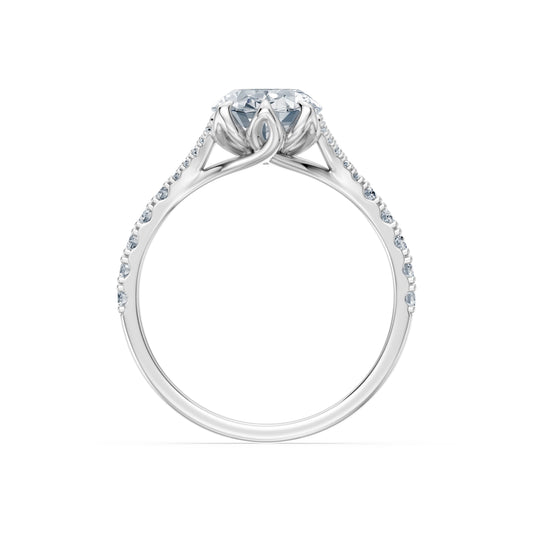
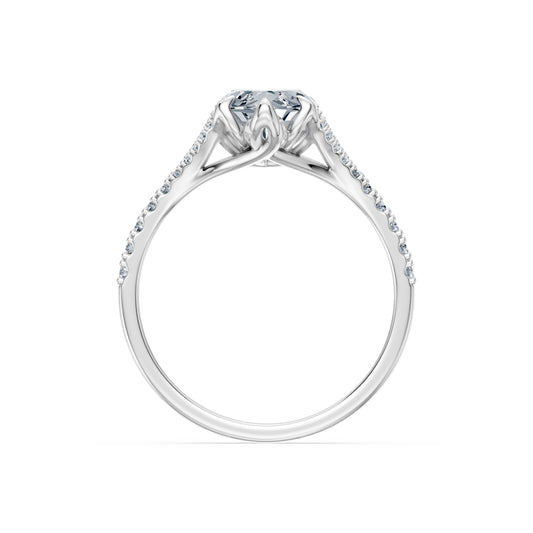
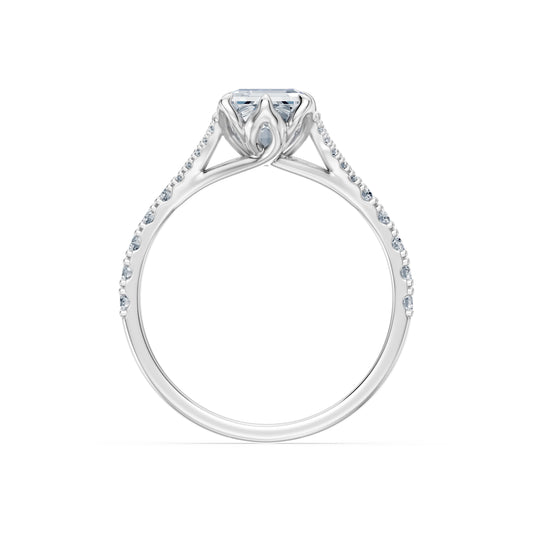
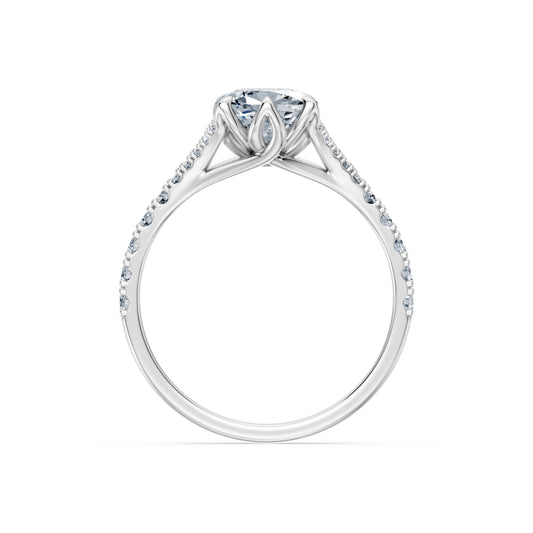
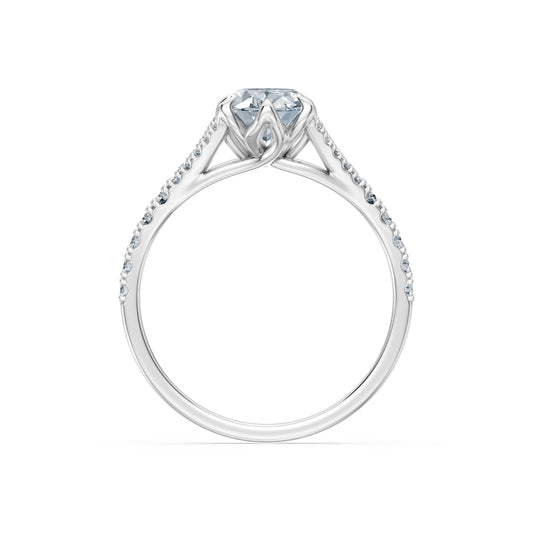
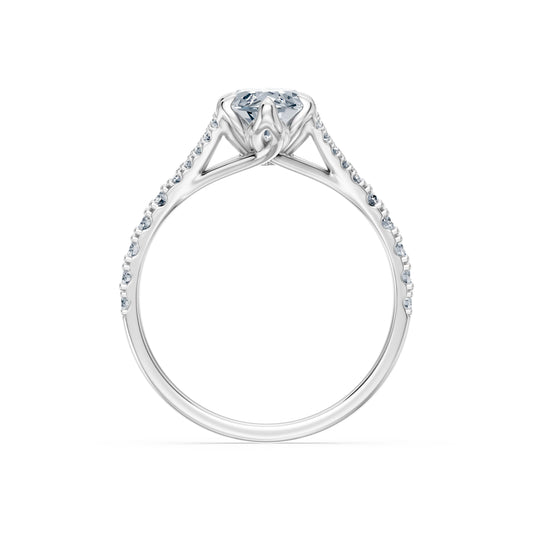
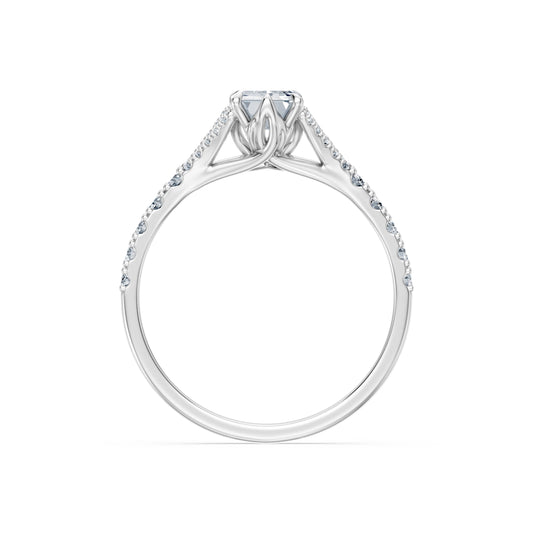
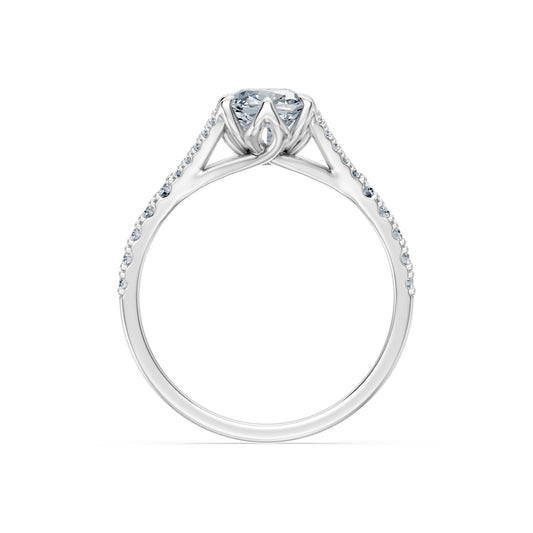
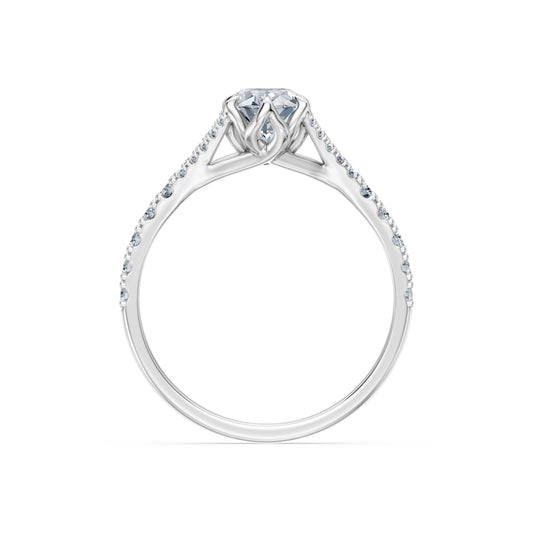
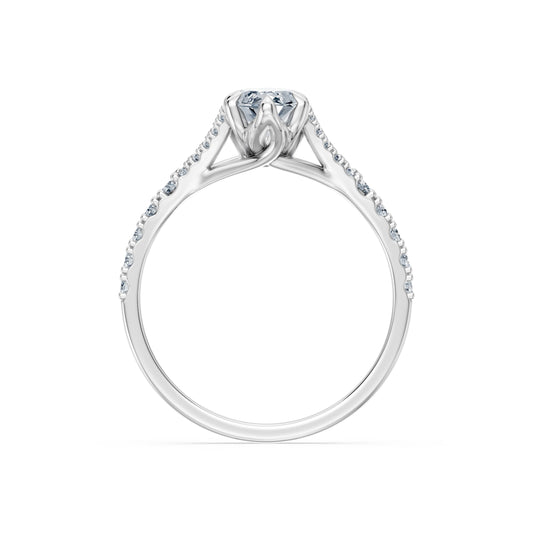
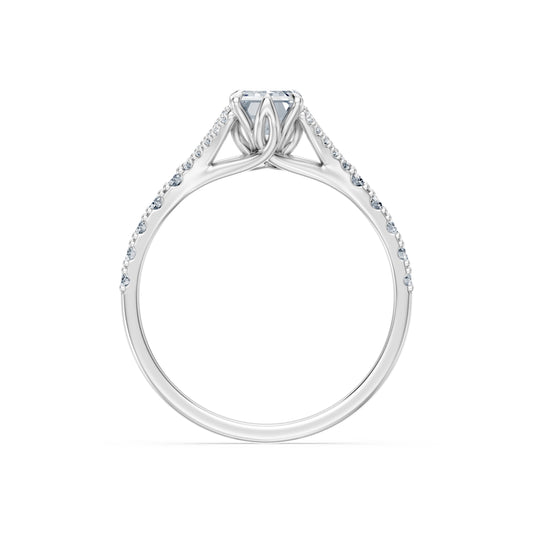
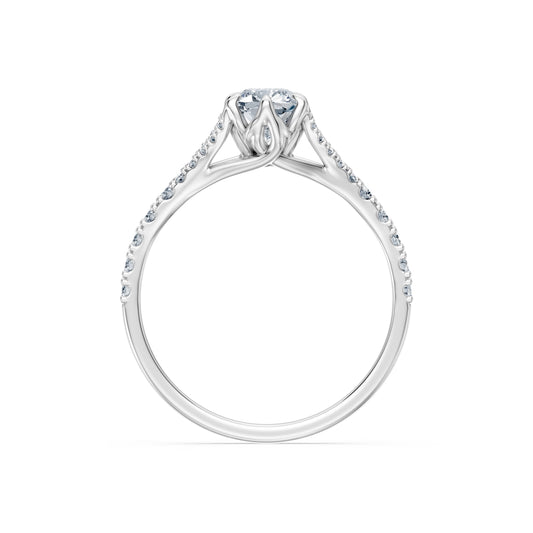
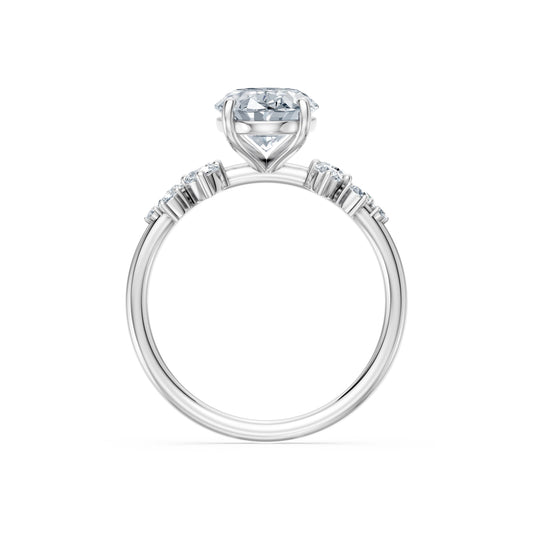
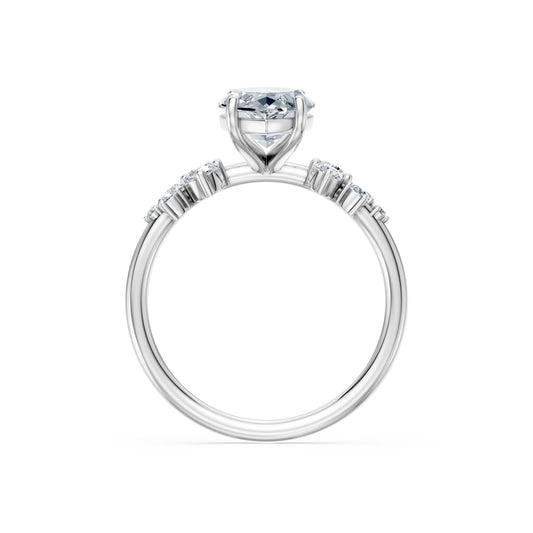
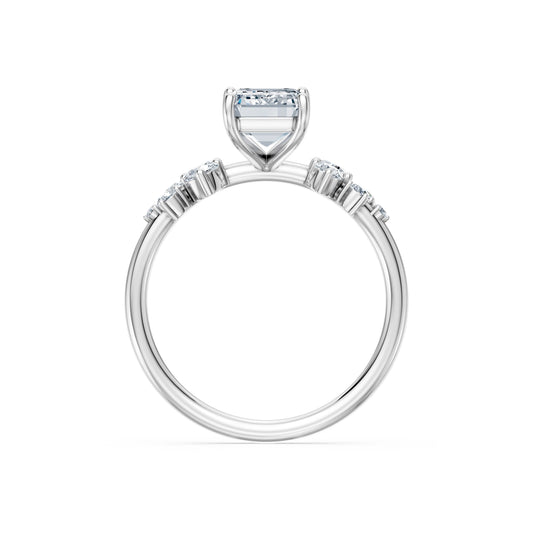
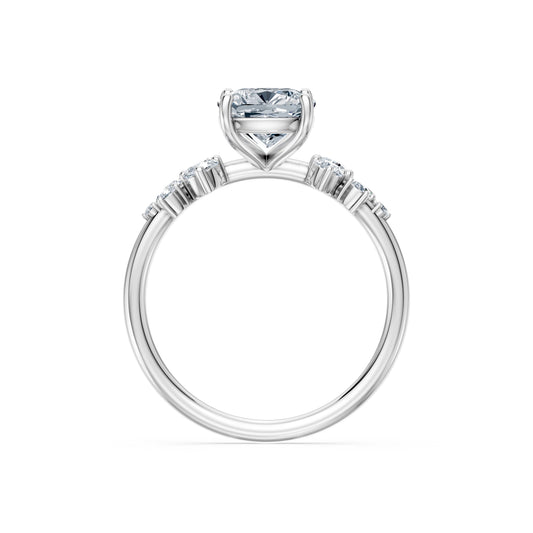
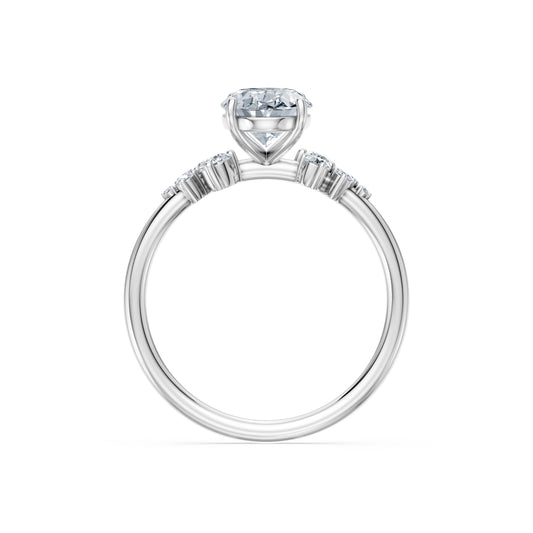
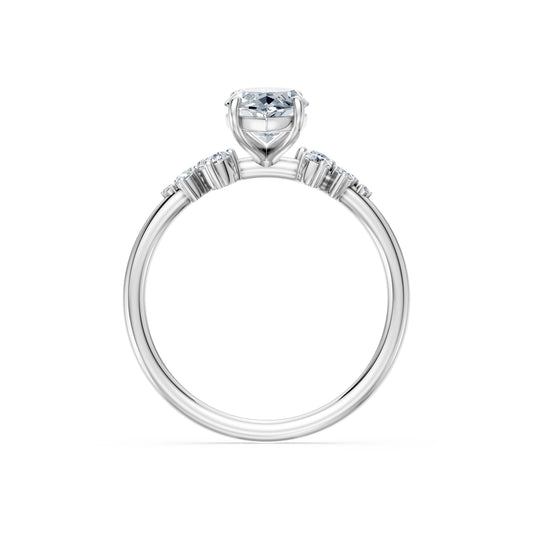
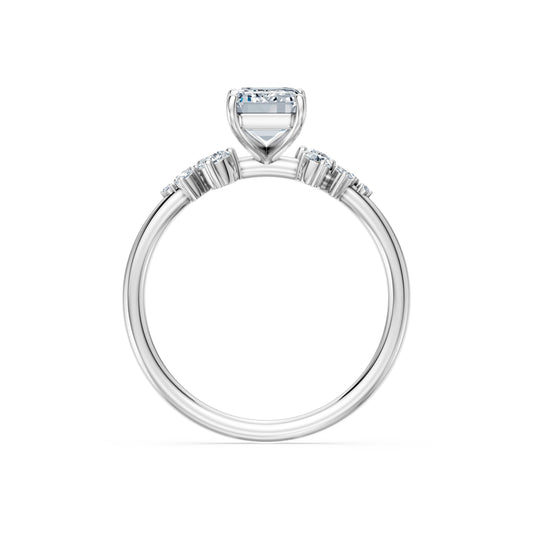
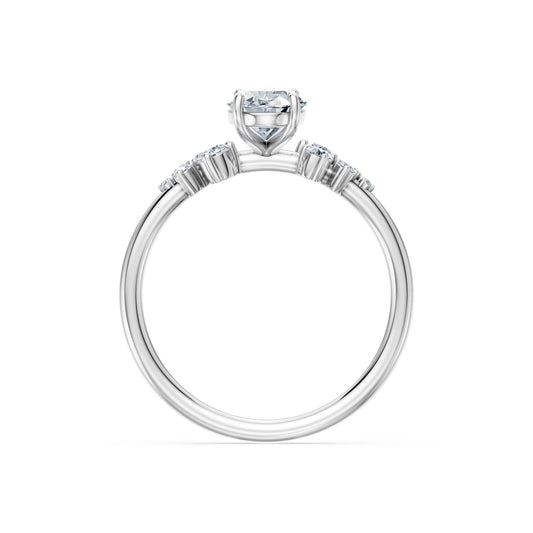
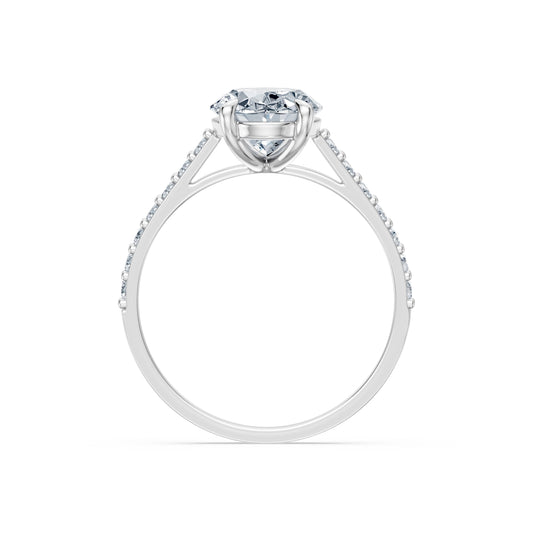
Oval Lab Grown Diamond Pave Engagement Ring 2.0ct | Qutahia Jewellery
Regular price From £1,900.00Regular price£2,300.00Sale price From £1,900.00Sale




































What a lab grown diamond engagement ring costs in the UK
A 1 carat lab grown diamond engagement ring at Qutahia starts from around £1,100 in 9ct gold, £1,360 in 14ct and £1,575 in 18ct. At 1.5 carat the range starts near £1,400, and at 2 carat near £1,790. A mined diamond of the same weight and clarity typically costs three to five times more, which is the single reason most buyers move to lab grown.
Cut affects price as much as carat. Emerald is usually the most affordable shape at a given weight; marquise the most expensive, because it uses more rough stone to achieve its length.
Are lab grown diamonds real diamonds?
Yes. A lab grown diamond is chemically and physically identical to a mined diamond: pure carbon, 10 on the Mohs hardness scale, graded on the same colour and clarity scales by IGI and GIA. It is not a simulant. Cubic zirconia and moissanite are different materials; a lab grown diamond is diamond.
The only real difference is origin. A mined diamond formed underground over millions of years. A lab grown diamond is produced in weeks under the same conditions of heat and pressure, with the same crystal structure as a result.
Where lab grown is not the right choice
Resale value is the honest caveat. Lab grown diamonds hold noticeably less second-hand value than mined stones, and that gap is widening as production costs fall. If you are buying an engagement ring as a store of value, lab grown is the wrong purchase. If you are buying a ring to wear, which is what most people are doing, it is the better one — the same budget buys a visibly larger, cleaner stone.
Choosing a shape
Oval reads larger than a round stone of the same carat weight because more of its surface faces upward, and the elongated outline lengthens the finger. Round brilliant returns the most light of any cut and remains the benchmark. Emerald has long straight facets that produce a mirror-like flash rather than dense sparkle, and shows clarity openly, so it suits a cleaner stone. Cushion is a square outline with rounded corners and broader flashes of light. Marquise covers more finger than any other cut at the same weight.
Choosing a setting
A solitaire puts the stone alone on a plain band — the most classic and the most affordable. A hidden halo sets small diamonds beneath the centre stone, visible from the side but not from above, making the stone look larger without changing the outline. A three stone ring flanks the centre with two side stones, adding width. Pavé runs small diamonds along the shoulders. Cluster scatters accent stones around the centre. Split shank divides the band as it approaches the stone, framing it and suiting larger centres.
9ct, 14ct or 18ct gold?
9ct is the most common choice in the UK. It is harder, so it scratches less in daily wear, and it is the most affordable. 18ct gives a richer gold colour and is softer. 14ct sits between the two. All three are solid gold, purity stamped (375/585/750). If you want the detail, we compare them at length in 9ct gold vs 18k gold and is 14k gold good for everyday wear.
Cannot find the exact ring you want?
Every ring on this page is made to order, so the shape, carat weight, gold colour and gold purity are already yours to choose. If you want something that is not listed — a different centre stone size, a setting we do not stock, or a design of your own — we make bespoke pieces to commission at the same direct pricing. Start your design and tell us what you have in mind; the first conversation takes about two minutes.
How our rings are made
Every ring here is made to order in solid gold, purity stamped, and finished by hand. Nothing is plated. Allow 10 to 14 days from order. You can also browse the wider diamond rings collection, or our diamond eternity rings for wedding bands set with stones all the way around.
Frequently asked questions
How much cheaper are lab grown diamonds than natural?
Typically 30-50% less per carat than an equivalent natural diamond of the same cut, clarity and colour — our lab grown rings start from around £1,100.
Are lab grown diamonds real diamonds?
Yes — same crystal structure, hardness and optical properties as natural diamonds. The only difference is where they're formed: a lab rather than underground over millions of years.
How long does a lab grown engagement ring take to make?
Most are made to order in 10-14 days since the setting is built around your chosen stone and size, rather than pulled from ready stock.
Which cuts do you offer in lab grown diamonds?
Oval, cushion, emerald and marquise are our most popular lab grown cuts, alongside round and princess — each product page shows carat weight and price together.