
Pavé Engagement Rings in Solid 9ct, 14ct & 18ct Gold
Pavé — pronounced pav-ay, French for paved — means small diamonds set so closely along the band that the metal beneath almost disappears. Done well, the shank reads as a continuous line of light leading the eye to the centre stone.
It is the most effective way to add brilliance without adding carat weight to the centre. Every ring here uses lab grown diamonds in solid 9ct, 14ct or 18ct gold — never plated — from £1,500, made to order in 10 to 14 days and cut to your exact finger size.
-
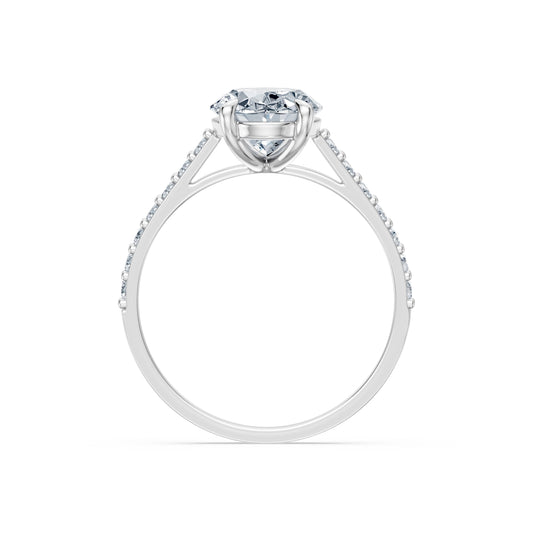
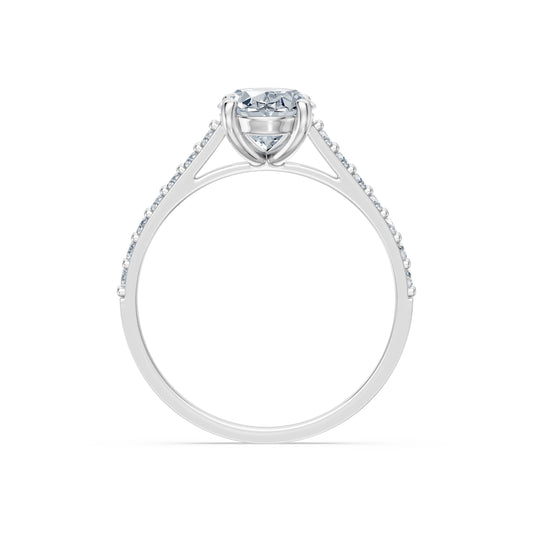
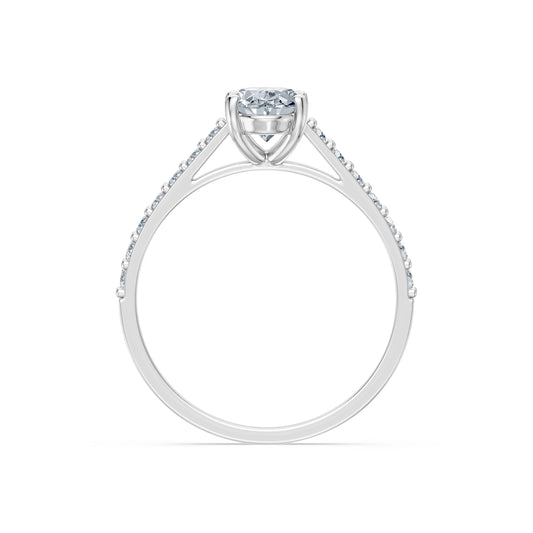
Oval Lab Grown Diamond Pave Engagement Ring 2.0ct | Qutahia Jewellery
Regular price From £1,900.00Regular price£2,300.00Sale price From £1,900.00Sale -
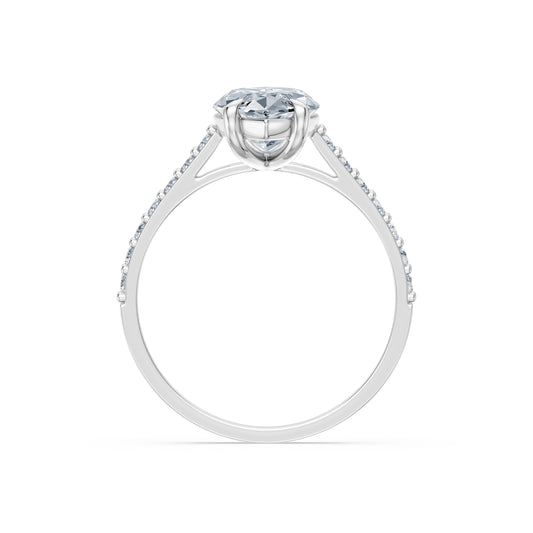
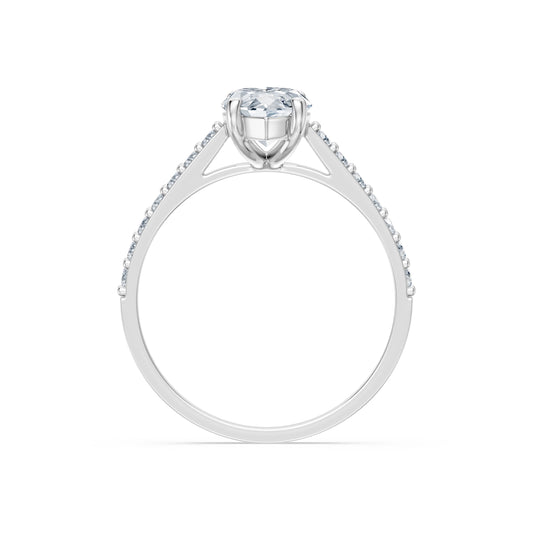
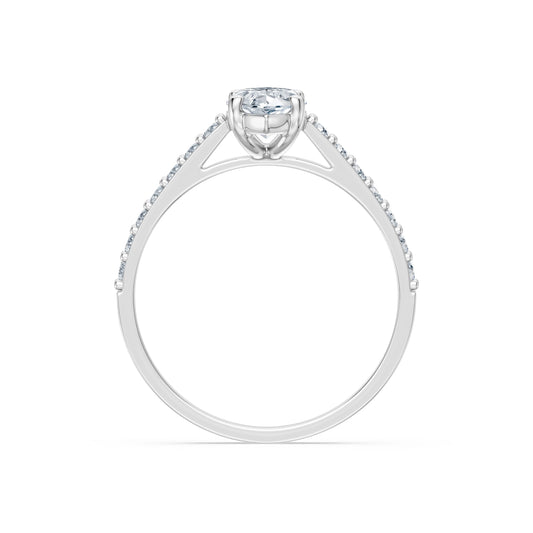
Marquise Lab Grown Diamond Pave Engagement Ring 2.0ct | Qutahia Jewellery
Regular price From £2,500.00Regular price£2,800.00Sale price From £2,500.00Sale -
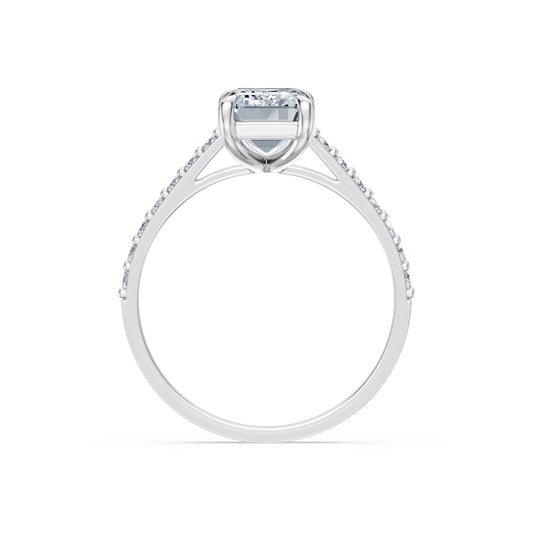
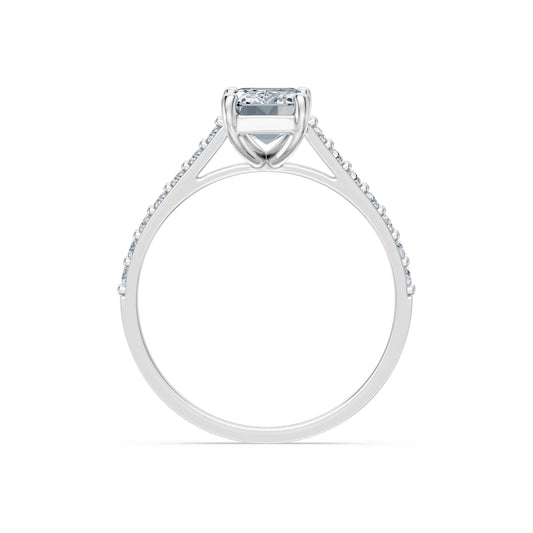
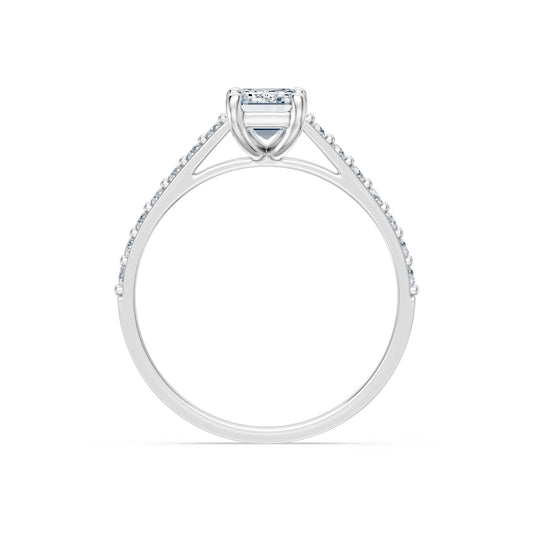
Emerald Lab Grown Diamond Pave Engagement Ring 2.0ct | Qutahia Jewellery
Regular price From £1,900.00Regular price£2,400.00Sale price From £1,900.00Sale -
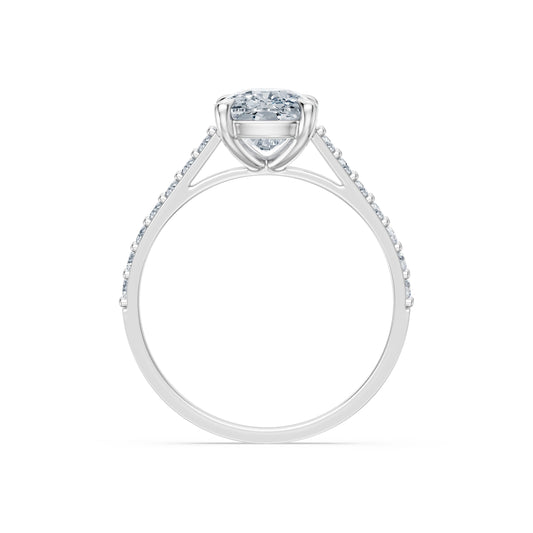
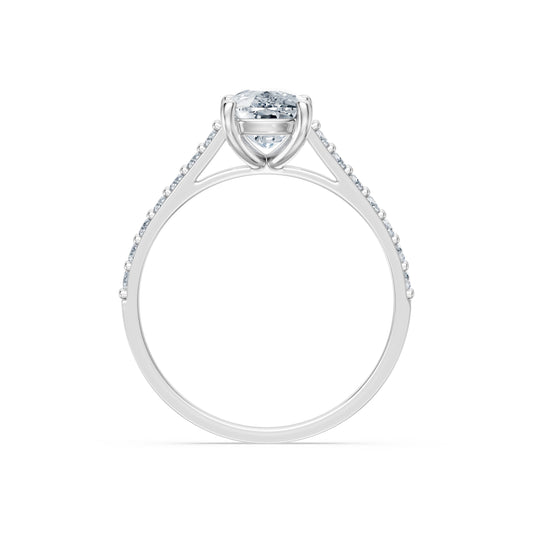
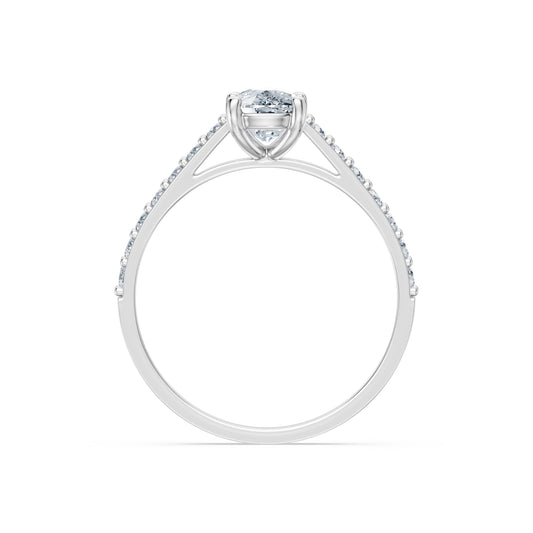
Cushion Lab Grown Diamond Pave Engagement Ring 2.0ct | Qutahia Jewellery
Regular price From £1,900.00Regular price£2,400.00Sale price From £1,900.00Sale -
Oval Lab Grown Diamond Pave Engagement Ring 1.5ct | Qutahia Jewellery
Regular price From £1,500.00Regular price£1,850.00Sale price From £1,500.00Sale -
Marquise Lab Grown Diamond Pave Engagement Ring 1.5ct | Qutahia Jewellery
Regular price From £1,700.00Regular price£2,100.00Sale price From £1,700.00Sale -
Emerald Lab Grown Diamond Pave Engagement Ring 1.5ct | Qutahia Jewellery
Regular price From £1,500.00Regular price£1,900.00Sale price From £1,500.00Sale -
Cushion Lab Grown Diamond Pave Engagement Ring 1.5ct | Qutahia Jewellery
Regular price From £1,500.00Regular price£1,900.00Sale price From £1,500.00Sale -
Oval Lab Grown Diamond Pave Engagement Ring 1.0ct | Qutahia Jewellery
Regular price From £1,200.00Regular price£1,500.00Sale price From £1,200.00Sale -
Marquise Lab Grown Diamond Pave Engagement Ring 1.0ct | Qutahia Jewellery
Regular price From £1,300.00Regular price£1,700.00Sale price From £1,300.00Sale -
Emerald Lab Grown Diamond Pave Engagement Ring 1.0ct | Qutahia Jewellery
Regular price From £1,250.00Regular price£1,550.00Sale price From £1,250.00Sale -
Cushion Lab Grown Diamond Pave Engagement Ring 1.0ct | Qutahia Jewellery
Regular price From £1,250.00Regular price£1,600.00Sale price From £1,250.00Sale












Get the size right first time — pavé cannot be resized freely
This is the one thing about pavé that nobody mentions at the point of sale, and it causes more disappointment than any other setting detail.
Resizing a plain band means cutting the shank, adding or removing metal, and soldering it closed. On a pavé band there is no plain metal to cut — the diamonds run round it. A jeweller can usually manage half a size, sometimes one size, by working the small section at the very bottom. Beyond that the stones have to come out and go back in, which is expensive, or the ring simply cannot be altered.
So: measure properly before ordering. Finger size varies by up to half a size across a day and more across a year, so measure in the afternoon at normal room temperature, never when cold. If you are buying as a surprise and guessing, a plain-band solitaire is the safer choice; it can be adjusted freely afterwards.
Every pavé ring here is made to your stated size rather than resized from stock, which removes the problem entirely — provided the size is right.
Pavé, micro pavé and channel setting
- Pavé — stones held by small beads of metal raised from the band itself. Maximum sparkle, minimum visible metal.
- Micro pavé — the same technique with much smaller stones, often under 0.01ct each. Finer and more delicate, and considerably more skilled work.
- Channel — stones sunk between two walls of metal. Less sparkle, far more protection. The practical choice for heavy daily wear.
Pavé gives the most light; channel gives the most security. Neither is better in the abstract — it depends on the hands the ring will live on.
What makes pavé well made
Pavé is one of the few settings where you can judge quality by eye without any equipment.
Look at the line of stones from directly above. In good work the diamonds sit at a uniform height, the gaps between them are even, and the beads holding them are neat and consistent in size. In poor work stones sit at slightly different levels, gaps vary, and you see more metal in some places than others — which reads, correctly, as untidy.
This matters beyond appearance. Unevenly set stones are the ones that work loose. If you are comparing pavé rings anywhere, look down the band rather than at the centre stone; that is where the workmanship shows.
Living with a pavé band
Pavé is beautiful and it does ask a little more of you than a plain band:
- Clean it more often. Soap and hand cream collect between the stones and dull them faster than on a plain shank. Warm water, washing-up liquid, soft toothbrush, once a fortnight.
- Have the settings checked annually. A loose bead is trivial to fix and expensive to ignore.
- Take it off for heavy work. Not because pavé is fragile, but because knocks against the band edge are what dislodge small stones.
What a pavé engagement ring costs
This collection runs from £1,500 to £3,500, with oval, marquise, emerald and cushion centres.
The pavé itself adds less than people expect in materials and more than they expect in labour — setting thirty stones by hand takes time, and that time is most of the cost. Centre stone weight still drives the total.
Gold carat moves it least: 9ct is harder and holds small settings well, 18ct is richer in colour and softer, 14ct is the usual middle ground. For pavé specifically, 9ct and 14ct hold beads slightly more securely than 18ct does.
Common questions
How is pavé pronounced?
Pav-ay. It is French for paved, describing stones set so close together that the surface looks covered.
Can a pavé ring be resized?
Only slightly — usually half a size, sometimes one. This is why we make each ring to your stated size rather than adjusting a stock ring. Get the measurement right before ordering and it is a non-issue.
Do pavé diamonds fall out?
They can if a bead is damaged or the setting was poor to begin with. Annual checking prevents nearly all of it. Choose channel setting instead if the ring will take real punishment.
Can I have pavé on a different design?
Yes. Everything is made to order in our own workshop, so centre stone, band width, pavé coverage and gold carat can all be specified. If what you want is not shown, commission it — the first conversation costs nothing.
Frequently asked questions
What is a pavé setting?
Small diamonds set closely together along the band using tiny beads or prongs, so the metal is barely visible and the ring appears "paved" with stones.
Can a pavé engagement ring be resized later?
Not easily — because the diamonds run along the band itself, resizing risks disturbing the stone settings, which is why we make pavé rings to your exact size from the start.
What's the starting price for a pavé engagement ring?
From around £1,500 in solid gold with a lab grown centre stone.
Is a pavé band more fragile than a plain band?
It requires slightly more care — avoid knocking the band against hard surfaces — but a well-made pavé setting with secure prongs holds up well to daily wear.