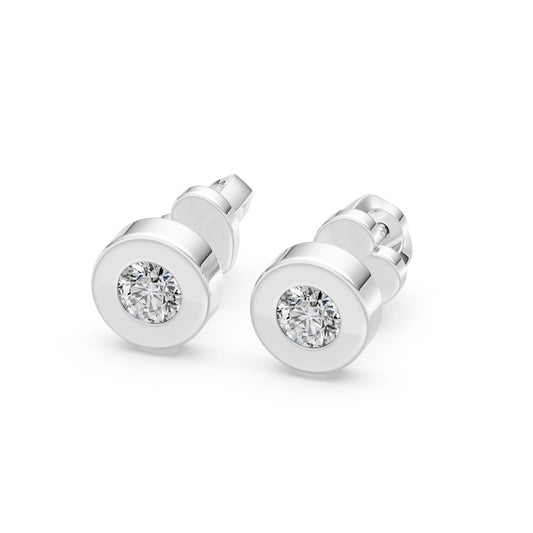
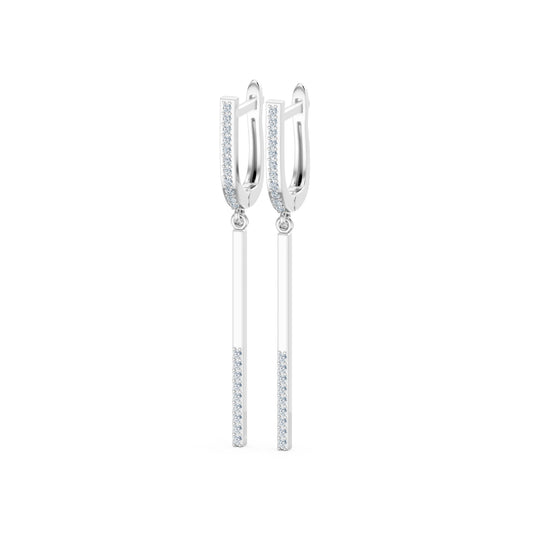
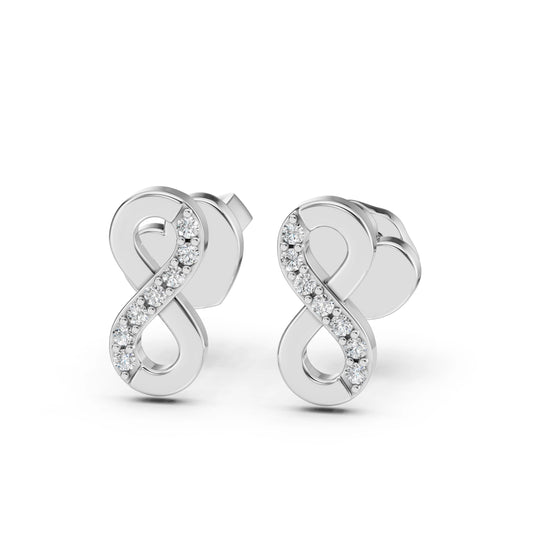
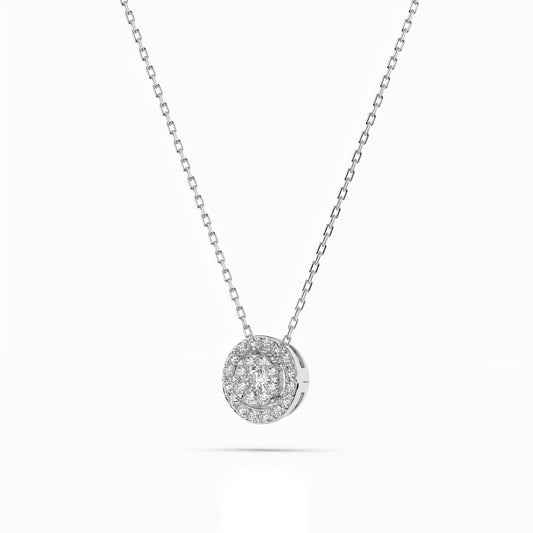
Diamond Jewellery in Solid 9ct, 14ct & 18ct Gold

Most diamond jewellery sold online hides the same compromise: a genuine stone set into plated brass, priced as though the metal matched the diamond. The stone survives; the setting does not. Qutahia works in solid gold only — 9ct, 14ct and 18ct — across every ring, earring, necklace and bracelet in this collection. Natural or lab grown stones, your choice.

Browse by category: rings, earrings, necklaces and bracelets — or start with our engagement rings.

💎 Natural & Lab Grown Diamonds🛡️ Solid Gold — Never Plated📏 Free UK Ring Resizing🚚 Free Insured Delivery
Natural & lab grown diamonds
Solid gold, never plated
Free insured UK delivery

444 products

No products found
Use fewer filters or remove all

Browse Diamond Jewellery by Category

Every category below is set in solid gold, never plated. Start where you know what you want, or read on for how to choose.

How to Choose Diamond Jewellery

Start with the metal, not the stone

Carat weight is what buyers compare first and what matters least to how long a piece lasts. 9ct gold is 37.5% pure and the hardest of the three alloys — the right choice for anything worn daily and never removed. 14ct gold at 58.5% purity balances colour against durability. 18ct gold is 75% pure with the richest tone, traditionally used for fine diamond jewellery and best suited to protected settings. Anything described as gold plated, gold filled or vermeil is base metal with a surface layer that will wear through. We do not sell it.

Understanding the 4Cs without the sales pitch

Cut matters more than the other three combined — it determines how much light returns through the top of the stone, and a well-cut smaller diamond outperforms a poorly cut larger one every time. Carat is weight, not diameter. Colour runs D to Z; from G downward the difference is barely visible once the stone is set in yellow gold. Clarity describes internal inclusions; anything SI1 or better is eye-clean at normal viewing distance. Paying for flawless clarity you cannot see is the most common way people overspend.

Natural or lab grown?

A lab grown diamond is a diamond — identical carbon structure, identical hardness, identical brilliance, and identified as diamond by standard testing. It costs considerably less per carat, so the same budget buys a larger, cleaner or better-cut stone. Natural diamonds carry geological rarity and a stronger secondary market. The honest answer is that the choice depends on whether you are buying for appearance or for asset value. Both are set the same way here, in solid gold.

How to check what you are actually buying

The claim that matters is the specification, and you should have it in writing before you pay: metal purity, stone weight, colour and clarity grade, and whether the diamond is natural or lab grown. Any seller confident in their work will give you this without hesitation.

Then verify it independently. Take the finished piece to any local jeweller and have the metal tested and the stone checked against the specification. We actively encourage this — it costs you little and it is the only check that does not rely on trusting the person who sold it to you. If anything is not exactly as described, we put it right.

Learn More

Read our guides on lab grown vs natural stones, solid gold jewellery that lasts and choosing ring settings. Check your size with the ring size guide, or commission something entirely your own — start a bespoke commission.

Diamond Jewellery Questions, Answered

Is 9ct gold real gold?
Yes. 9ct is 37.5% pure gold alloyed with other metals for hardness, and it is a recognised UK gold standard. It is solid throughout, not a coating, and it is the most hard-wearing of the gold alloys.
What is the difference between gold plated and solid gold?
Gold plated is a microscopically thin layer of gold over a base metal such as brass, applied by electroplating. It wears through with use and exposes the metal beneath. Solid gold is the same alloy all the way through and cannot wear off.
Do lab grown diamonds hold their value?
Less reliably than natural diamonds, because supply is not constrained by geology. If resale value is a priority, choose natural. If you want the largest, brightest stone your budget allows, lab grown gives you considerably more.
Will solid gold jewellery irritate my skin?
Solid 9ct, 14ct and 18ct gold is naturally hypoallergenic. Skin reactions are almost always caused by nickel in plated or filled jewellery, exposed once the plating wears through.
How do I care for diamond jewellery at home?
Warm water, a drop of washing-up liquid and a soft toothbrush along the underside of the setting, then rinse and dry. Diamonds do not lose brilliance — what dulls them is skin oil and product trapped beneath the stone where light should enter.
Can I have a piece made to my own design?
Yes. Bespoke commissions are a core part of what we do — from adapting an existing setting to designing from scratch around a stone you already own. Start with a consultation and we will talk through stone, metal and budget before any work begins.