
Round Cut Engagement Rings in Solid 9ct, 14ct & 18ct Gold
The round brilliant is the most-chosen shape for an engagement ring, and the reason is measurable rather than sentimental: its 57 facets are cut at angles calculated to return more light through the top of the stone than any other shape. Every round cut engagement ring here is set in solid 9ct, 14ct or 18ct gold — never plated, never gold-filled. Natural or lab grown stones, in yellow, white or rose gold, made to order in our own workshop in 10 to 14 days.
Prices start from around £1,100 for a 1 carat lab grown round brilliant in 9ct gold. Choose a round solitaire for a single stone on a plain band, or see the same cut set as a hidden halo, three stone or pavé design.
-
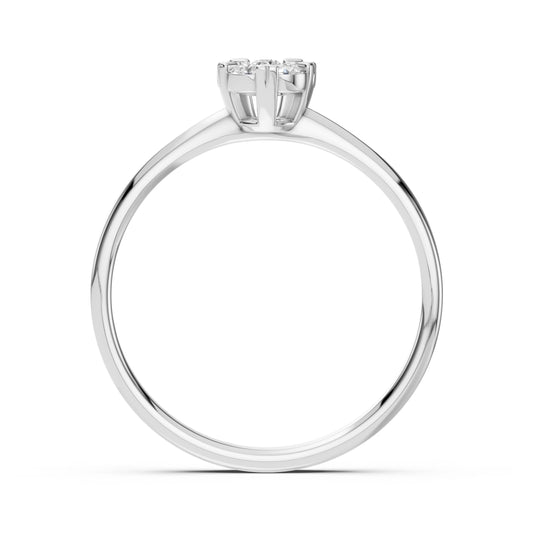
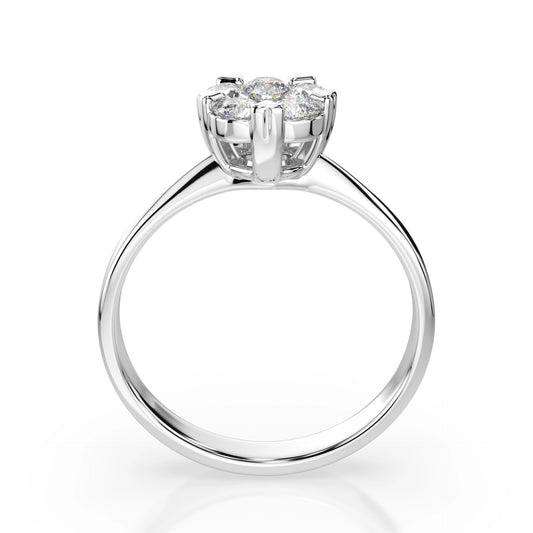
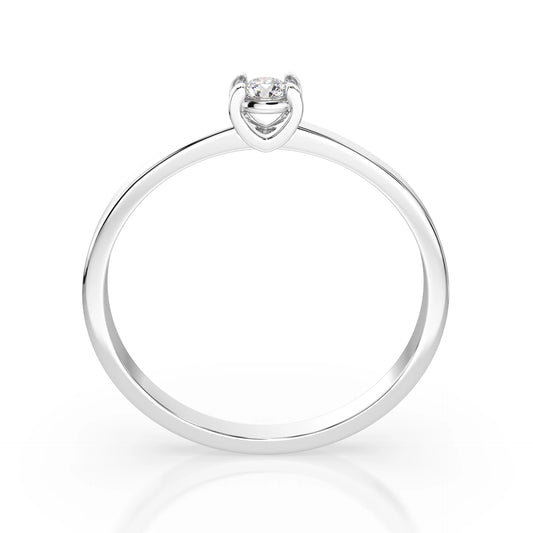
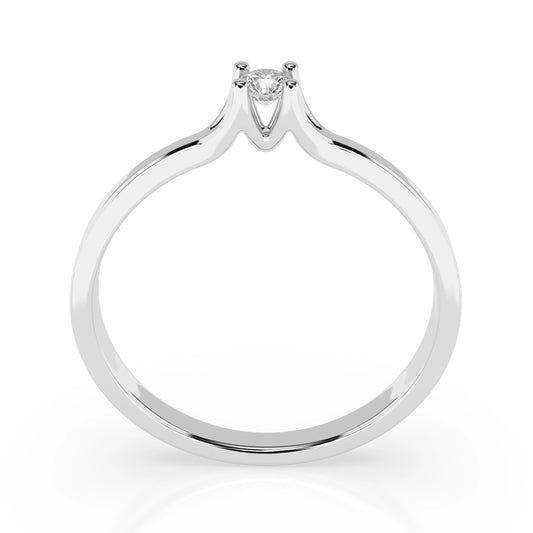
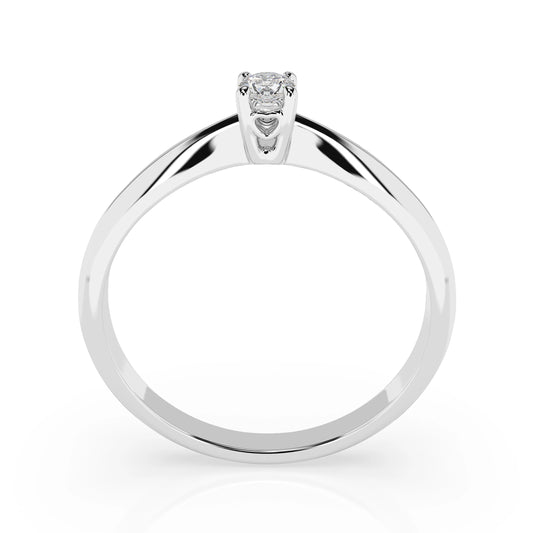
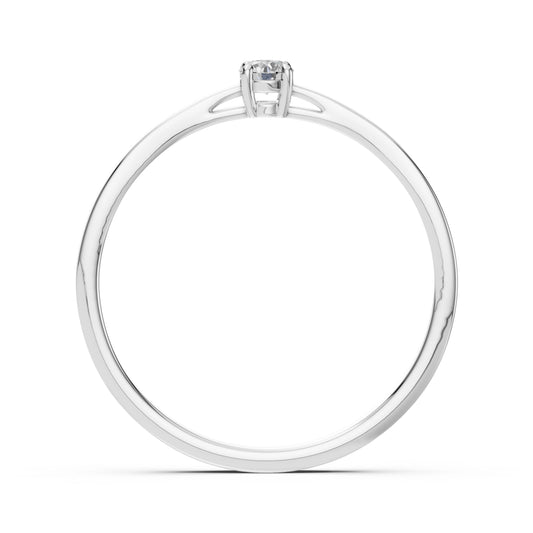
Six Claw Solitaire Diamond Ring Round 0.1ct | Qutahia Jewellery
Regular price From £550.00Regular price£700.00Sale price From £550.00Sale -
Pavé Shoulder II Illusion Diamond Ring Round 0.03ct | Qutahia Jewellery
Regular price From £550.00Regular price£675.00Sale price From £550.00Sale -
Pavé Shoulder Solitaire Diamond Ring Round 0.08ct | Qutahia Jewellery
Regular price From £600.00Regular price£750.00Sale price From £600.00Sale -
Minimalist Diamond Ring Round Brilliant 0.12ct | Qutahia Jewellery
Regular price From £1,250.00Regular price£1,550.00Sale price From £1,250.00Sale -
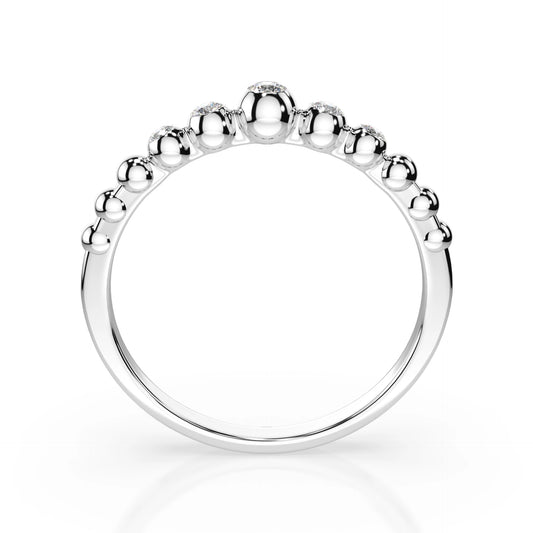
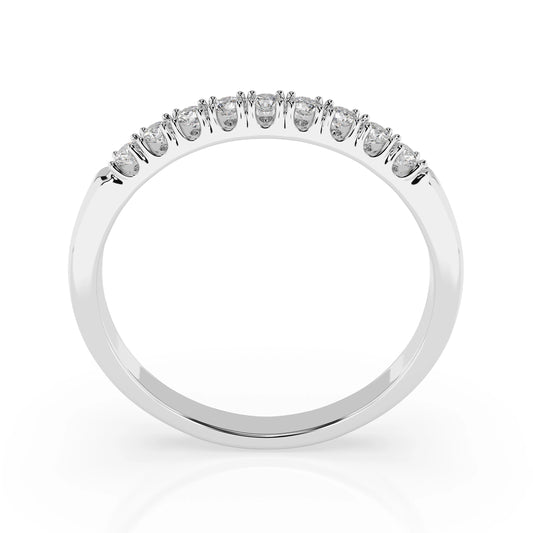
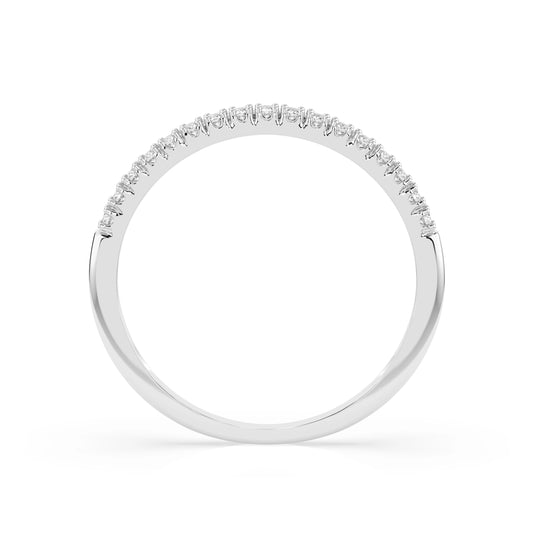
Graduated Half Eternity Diamond Ring Round 0.03ct | Qutahia Jewellery
Regular price From £500.00Regular price£625.00Sale price From £500.00Sale -
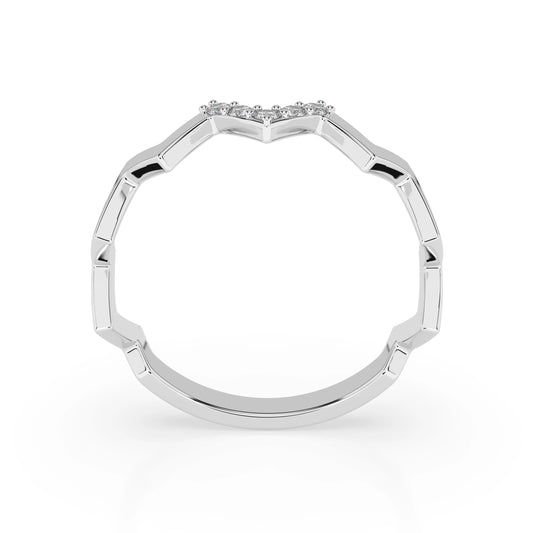
Zigzag Minimalist Diamond Ring Round 0.05ct | Qutahia Jewellery
Regular price From £525.00Regular price£650.00Sale price From £525.00Sale -
Tiara Band Diamond Eternity Ring Round 0.42ct | Qutahia Jewellery
Regular price From £675.00Regular price£850.00Sale price From £675.00Sale -
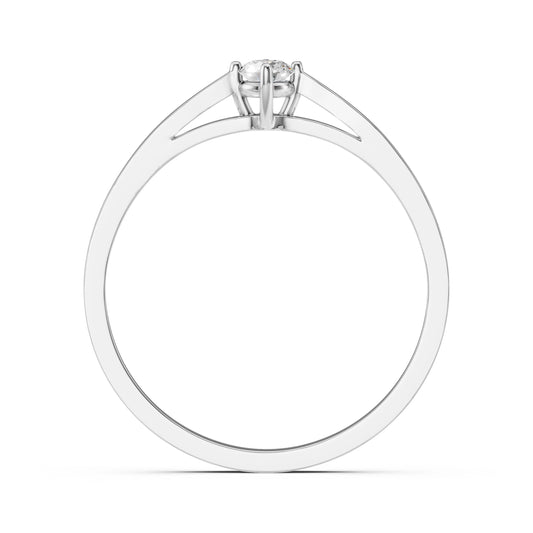
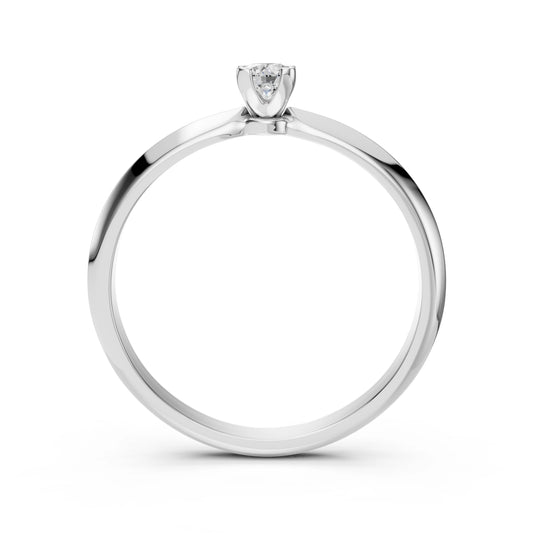
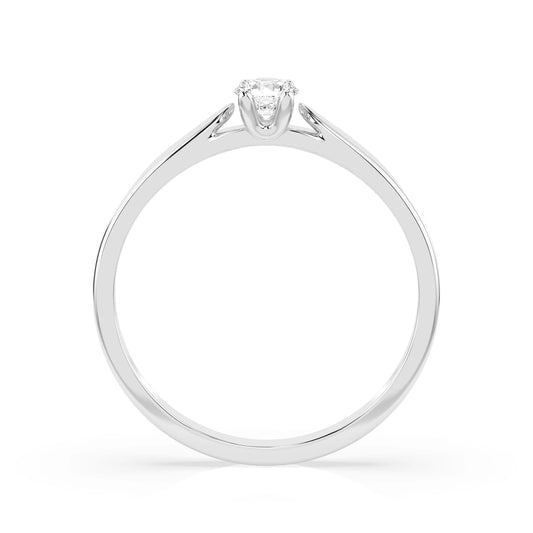
Tapered Petite Solitaire Diamond Ring Round 0.1ct | Qutahia Jewellery
Regular price From £325.00Regular price£550.00Sale price From £325.00Sale -
Pavé Shoulder II Illusion Diamond Ring Round 0.06ct | Qutahia Jewellery
Regular price From £700.00Regular price£900.00Sale price From £700.00Sale -
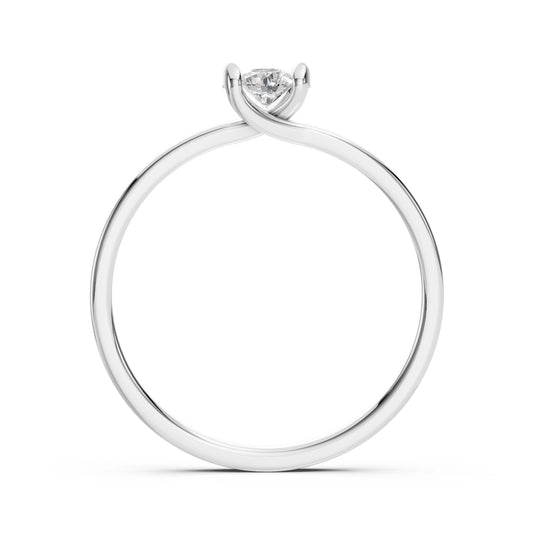
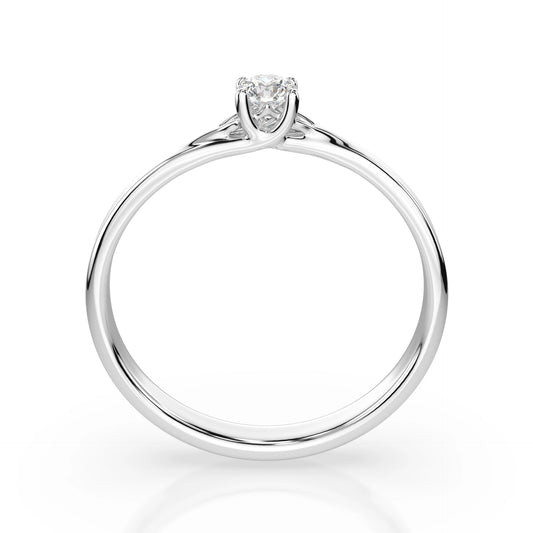
Crossover Band Solitaire Diamond Ring Round 0.15ct | Qutahia Jewellery
Regular price From £575.00Regular price£725.00Sale price From £575.00Sale -
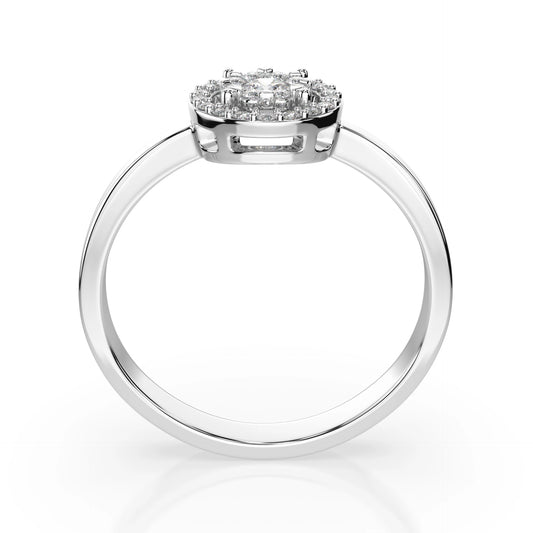
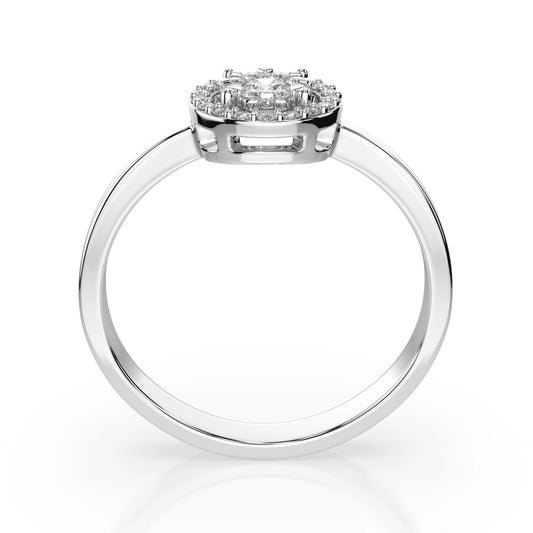
Disc Head Illusion Diamond Ring Round 0.06ct | Qutahia Jewellery
Regular price From £775.00Regular price£950.00Sale price From £775.00Sale -
Pavé Shoulder II Illusion Diamond Ring Round 0.15ct | Qutahia Jewellery
Regular price From £1,000.00Regular price£1,250.00Sale price From £1,000.00Sale -
Squared Shoulder Solitaire Diamond Ring Round 0.1ct | Qutahia Jewellery
Regular price From £350.00Regular price£575.00Sale price From £350.00Sale -
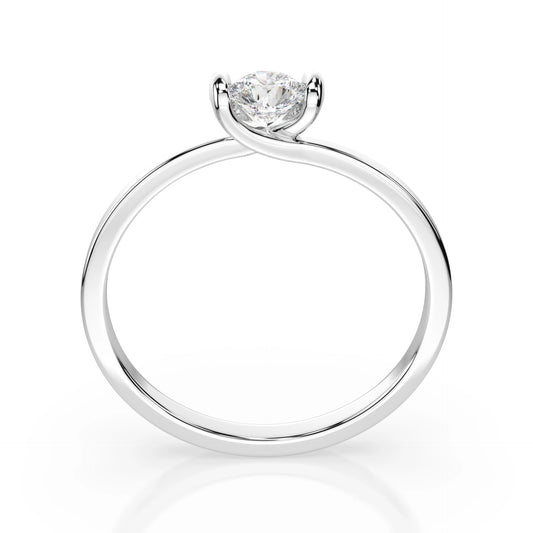
Crossover Twist Solitaire Diamond Ring Round 0.15ct | Qutahia Jewellery
Regular price From £675.00Regular price£850.00Sale price From £675.00Sale -
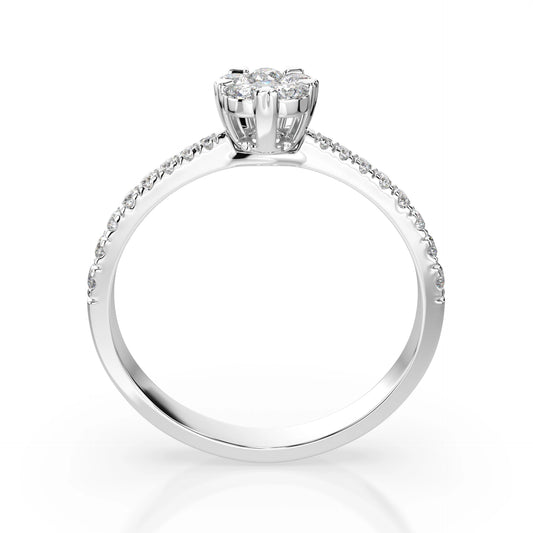
Pavé Shoulder Illusion Diamond Ring Round 0.06ct | Qutahia Jewellery
Regular price From £750.00Regular price£925.00Sale price From £750.00Sale -
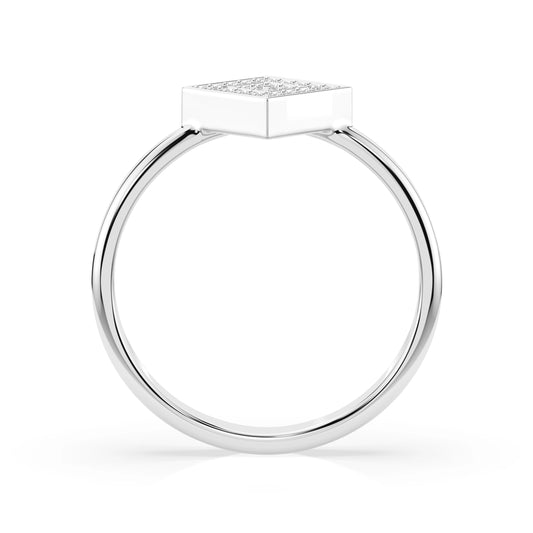
Square Pavé Plaque Illusion Diamond Ring Round 0.1ct | Qutahia Jewellery
Regular price From £950.00Regular price£1,200.00Sale price From £950.00Sale -
Minimalist Diamond Ring Round 0.06ct | Qutahia Jewellery
Regular price From £600.00Regular price£750.00Sale price From £600.00Sale -
Raised Six Claw Solitaire Diamond Ring Round 0.15ct | Qutahia Jewellery
Regular price From £650.00Regular price£800.00Sale price From £650.00Sale -
Minimalist Diamond Ring Round 0.14ct | Qutahia Jewellery
Regular price From £525.00Regular price£650.00Sale price From £525.00Sale -
Minimalist Diamond Ring Round 0.04ct | Qutahia Jewellery
Regular price From £225.00Regular price£375.00Sale price From £225.00Sale -
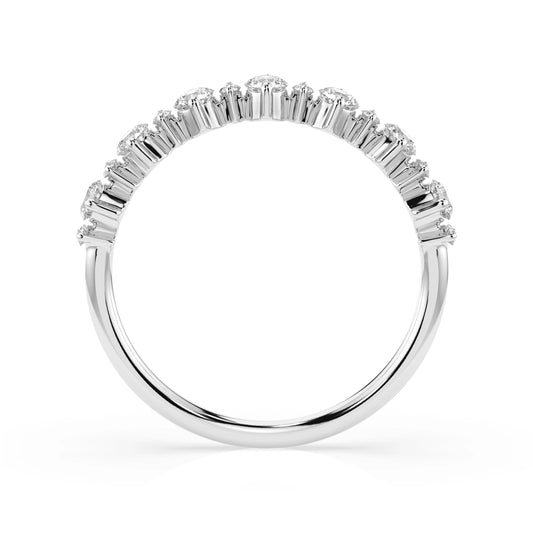
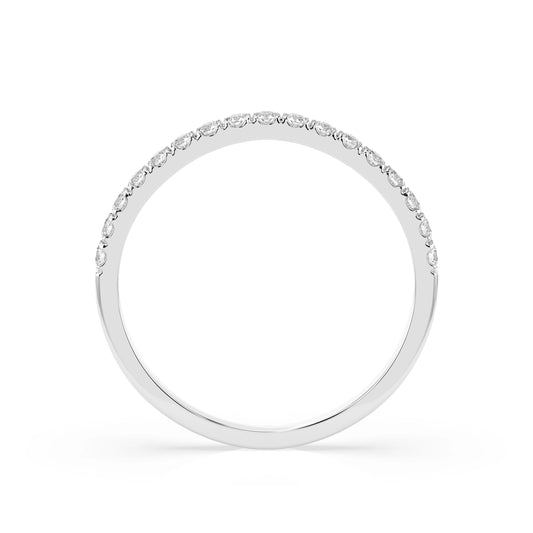
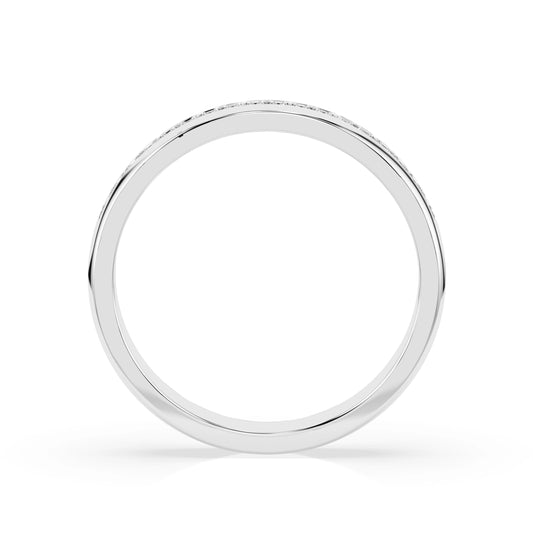
Diamond Eternity Ring Round 0.22ct | Qutahia Jewellery
Regular price From £750.00Regular price£950.00Sale price From £750.00Sale -
Fine Band Solitaire Diamond Ring Round 0.15ct | Qutahia Jewellery
Regular price From £500.00Regular price£625.00Sale price From £500.00Sale -
Diamond Eternity Ring Round 0.26ct | Qutahia Jewellery
Regular price From £500.00Regular price£625.00Sale price From £500.00Sale -
Diamond Eternity Ring Round 0.34ct | Qutahia Jewellery
Regular price From £625.00Regular price£775.00Sale price From £625.00Sale -
Pointed Gallery Solitaire Diamond Ring Round 0.06ct | Qutahia Jewellery
Regular price From £375.00Regular price£625.00Sale price From £375.00Sale -
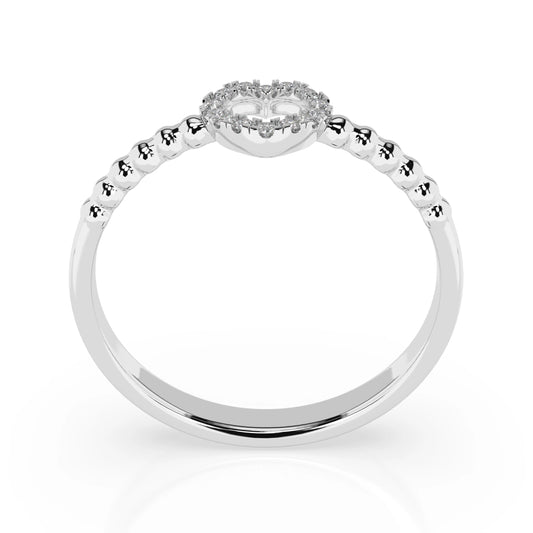
Open Heart Pavé Diamond Ring Round 0.07ct | Qutahia Jewellery
Regular price From £350.00Regular price£575.00Sale price From £350.00Sale -
Pavé Shoulder Solitaire Diamond Ring Round 0.15ct | Qutahia Jewellery
Regular price From £700.00Regular price£850.00Sale price From £700.00Sale -
Tapered Shoulder Solitaire Diamond Ring Round 0.1ct | Qutahia Jewellery
Regular price From £475.00Regular price£600.00Sale price From £475.00Sale -
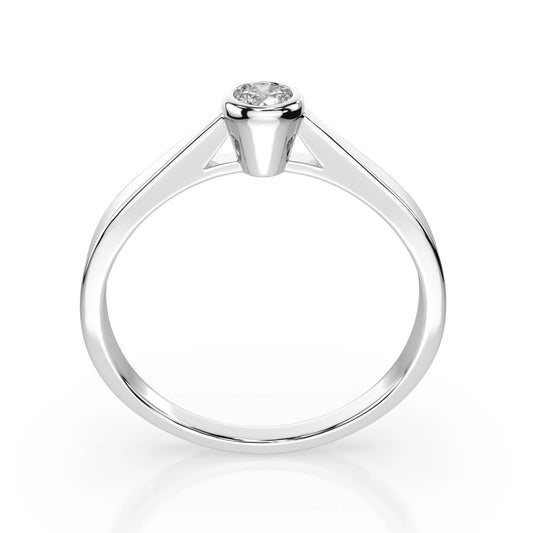
Low Set Solitaire Diamond Ring Round 0.06ct | Qutahia Jewellery
Regular price From £650.00Regular price£800.00Sale price From £650.00Sale -
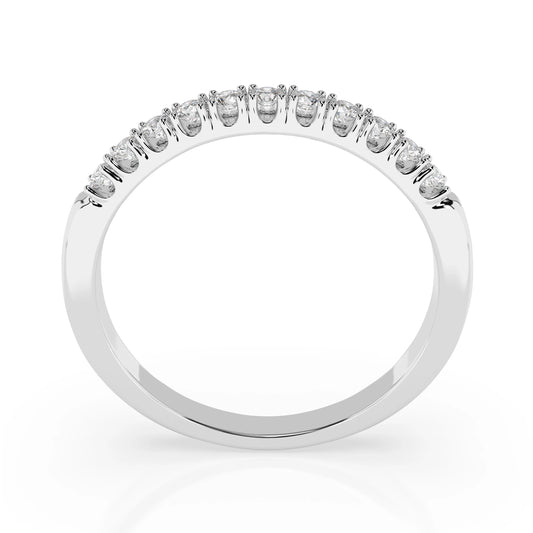
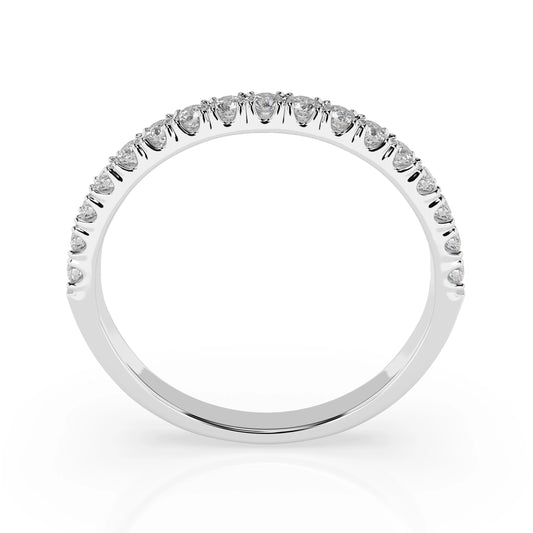
Pavé Half Eternity Diamond Ring Round 0.18ct | Qutahia Jewellery
Regular price From £600.00Regular price£750.00Sale price From £600.00Sale -
Wide Bezel Band Diamond Eternity Ring Round 0.15ct | Qutahia Jewellery
Regular price From £1,050.00Regular price£1,300.00Sale price From £1,050.00Sale -
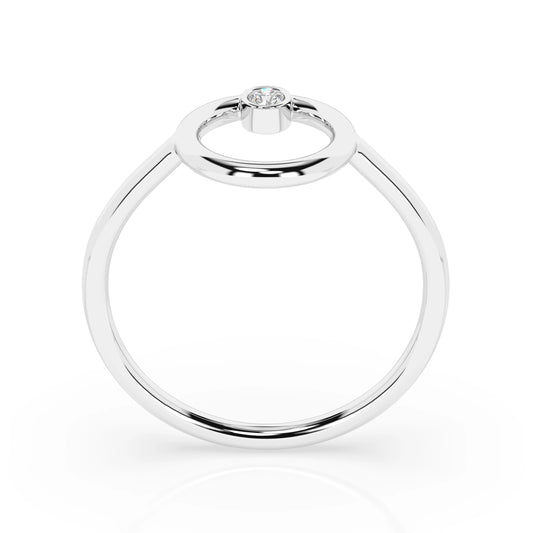
Open Circle Ball Minimalist Diamond Ring Round 0.03ct | Qutahia Jewellery
Regular price From £390.00Regular price£650.00Sale price From £390.00Sale -
Diamond Eternity Ring Round 0.14ct | Qutahia Jewellery
Regular price From £310.00Regular price£525.00Sale price From £310.00Sale -
Slim Band Solitaire Diamond Ring Round 0.1ct | Qutahia Jewellery
Regular price From £325.00Regular price£550.00Sale price From £325.00Sale -
Fine Band Solitaire Diamond Ring Round 0.06ct | Qutahia Jewellery
Regular price From £325.00Regular price£550.00Sale price From £325.00Sale -
Disc Head Illusion Diamond Ring Round 0.03ct | Qutahia Jewellery
Regular price From £750.00Regular price£950.00Sale price From £750.00Sale

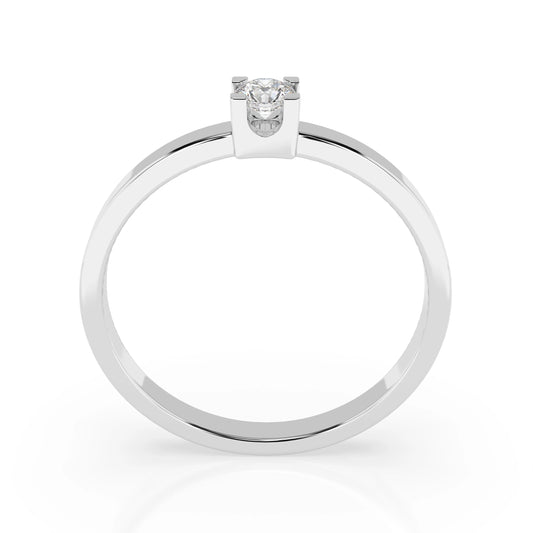

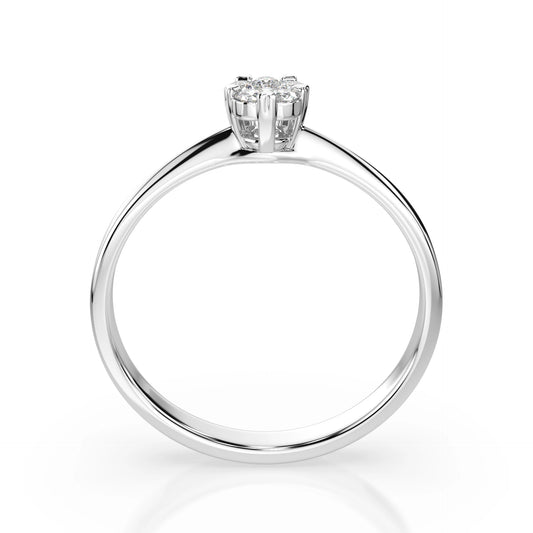

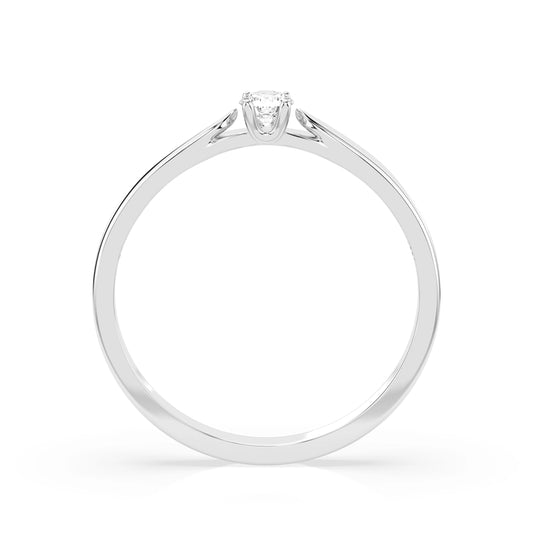

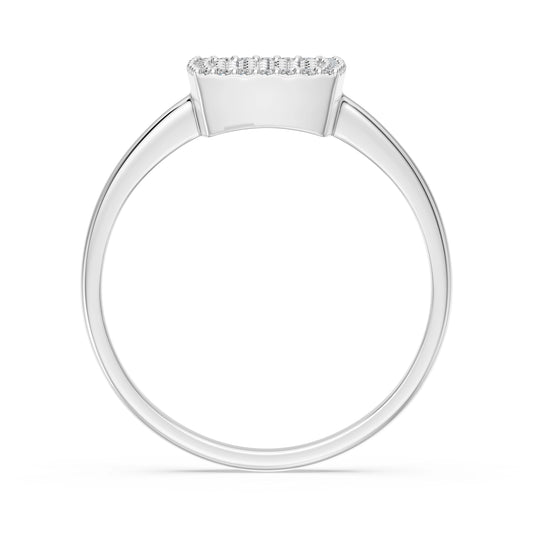













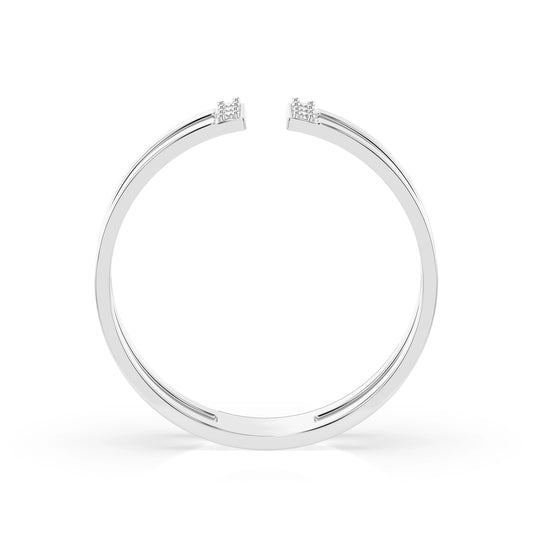

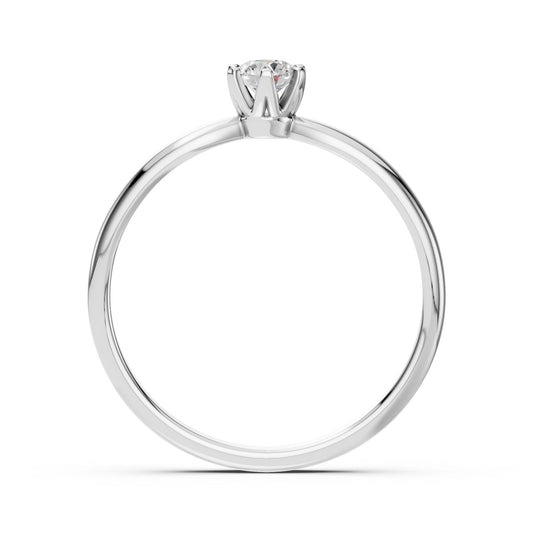

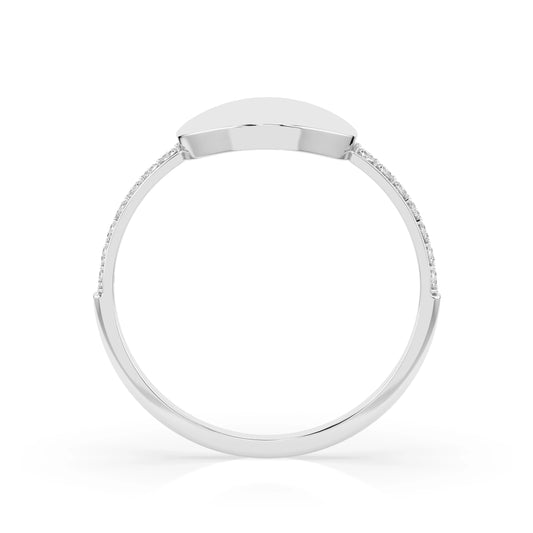

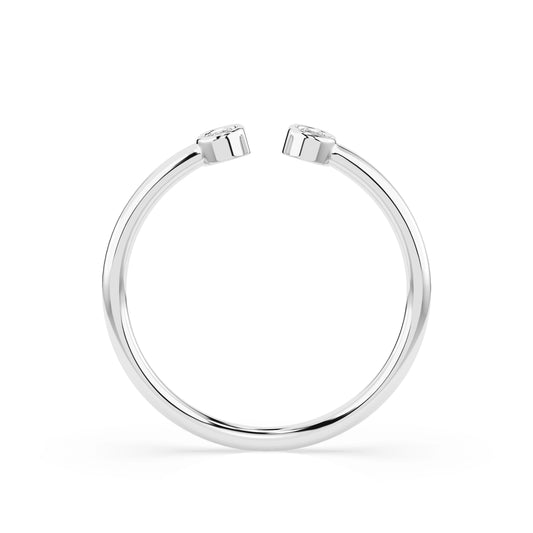
















Why the Round Brilliant Outperforms Every Other Cut on Light
A round brilliant carries 57 facets — 33 on the crown, 24 on the pavilion — arranged so that light entering the table is reflected internally and sent back out through the top rather than leaking through the base. No other shape returns as much. This is why a round cut looks bright in dim restaurant light where a step cut like emerald can go flat, and why the round brilliant is still the benchmark every other cut is measured against nearly a century after its proportions were finalised.
The trade-off is cost per carat. Cutting a round brilliant from rough discards roughly half the original crystal — more waste than any other common shape — and that loss is priced into the finished stone. A round diamond will almost always cost more per carat than a cushion, emerald or marquise of equal quality.
Round Cut vs Oval, Cushion and Princess
Weight is not size. A 1 carat round brilliant measures about 6.4mm across; a 1 carat oval of the same weight presents a noticeably larger face because its surface is stretched lengthways, and the elongated outline lengthens the finger. If maximum visible size for the budget is the priority, oval or marquise wins. If maximum sparkle is the priority, round wins.
Cushion gives broader, lazier flashes of light rather than the dense scintillation of a round. Princess delivers brilliant-style faceting in a square outline and costs less per carat, but its sharp corners are the most vulnerable point on any diamond and need claws that cover them. Emerald shows clarity openly, so inclusions that would hide inside a round brilliant become visible.
What a Round Cut Engagement Ring Costs
At Qutahia a 1 carat lab grown round brilliant starts from around £1,100 in 9ct gold, £1,360 in 14ct and £1,575 in 18ct. At 1.5 carat the range starts near £1,400, and at 2 carat near £1,790. A mined round brilliant of comparable colour and clarity typically costs three to five times more.
Because round is the most expensive shape per carat, it is also the shape where lab grown diamonds make the largest visible difference — the same budget buys a stone one to two carat grades larger. The honest caveat is resale: lab grown stones hold less second-hand value than mined ones, so if the ring is being bought partly as an asset, natural is the correct choice.
Claw Count and Setting Height
A four claw setting leaves more of the stone visible from above and lets light in from the sides, so the diamond reads slightly larger. A six claw setting — the classic Tiffany-style arrangement — holds the stone more securely and distributes pressure better, which matters on stones above 1 carat. Six claws cover marginally more of the girdle.
Setting height is the decision people regret more often than claw count. A high or cathedral setting lifts the stone clear of the finger and lets light flood in underneath, but it catches on gloves, pockets and hair, and it sits awkwardly against a flat wedding band. A low setting is calmer to live with and sits flush against a band. Neither is better; they suit different hands and different jobs.
Explore the Collection
See all engagement rings or the wider diamond rings collection. Pair yours with diamond eternity rings as a wedding band. Not sure of the size? Use the ring size guide before ordering. Comparing metals? We cover it properly in 9ct gold vs 18k gold. Want a round brilliant in a setting we do not stock? Start your bespoke design.
Round Cut Diamond Questions, Answered
Nothing, in practice. “Round brilliant” names the specific 57-facet arrangement used on virtually every round diamond sold today, so “round cut” and “round brilliant” are used interchangeably. If a round stone is not brilliant cut it will be described as an old European or rose cut, both of which are antique styles.
About 6.4mm in diameter on a well-cut stone. A 1.5 carat measures roughly 7.4mm and a 2 carat roughly 8.1mm — diameter grows far more slowly than weight, which is why doubling the carat does not double the visible size.
Cutting a round brilliant wastes roughly half the rough crystal, more than any other common shape. That loss is carried in the price. Buying a fancy shape at the same carat weight is the single easiest way to reduce cost without reducing size.
Four shows more of the stone and reads slightly larger. Six holds more securely and is the safer choice above 1 carat or for anyone who works with their hands. Both are available across this collection.
Yes, and for daily wear it outperforms 18ct. 9ct is the hardest of the three alloys, so it resists scratching and holds claw settings securely. 18ct is 75% pure gold with a richer colour but is softer. All three purities we sell carry a purity stamp (375/585/750).
Yes. A solitaire or three stone ring has plain gold at the back of the band, so it resizes without disturbing the setting. Full eternity styles cannot be resized — confirm your size first using our ring size guide.
Frequently asked questions
Why is round brilliant the most popular diamond cut?
Its facet pattern is engineered specifically to maximise light return, giving it the most sparkle of any cut — which is why it's the benchmark most other cuts are compared against.
Is a round brilliant diamond more expensive per carat than other cuts?
Generally yes, because more rough diamond is lost in the cutting process to achieve its precise proportions, so you're paying partly for that extra wastage.
What settings work best with a round brilliant?
Solitaire, halo and pavé are our most popular round brilliant settings — the cut suits almost any setting style since its symmetry works from every angle.
Natural or lab grown for a round brilliant centre stone?
Both are available — lab grown lets you go up in carat weight for the same budget, natural holds different long-term resale considerations.